





Cycling Nutrition Buying Guide 2026: Fueling for Energy and Recovery
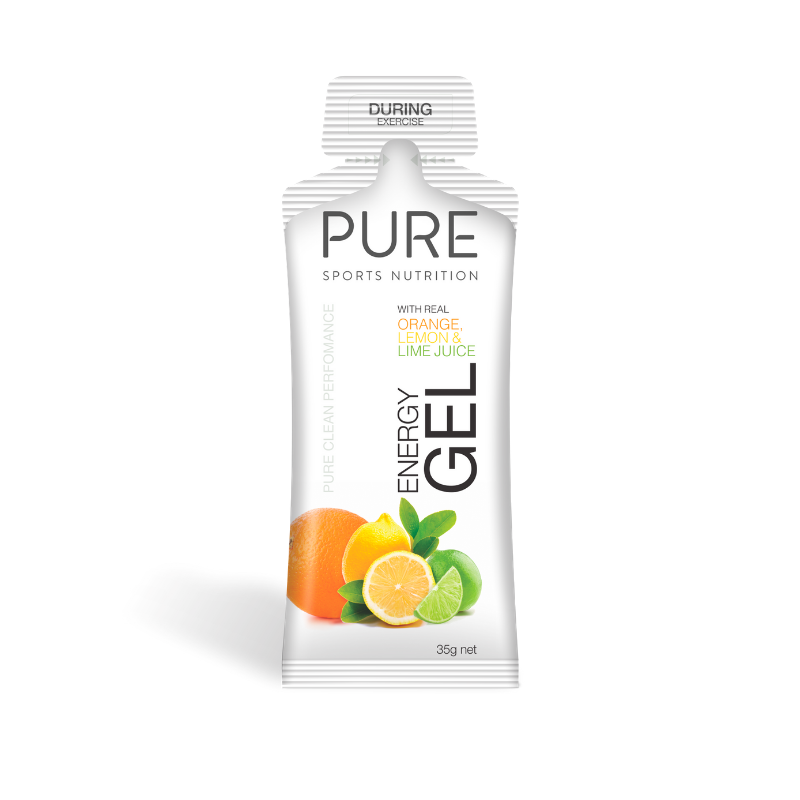
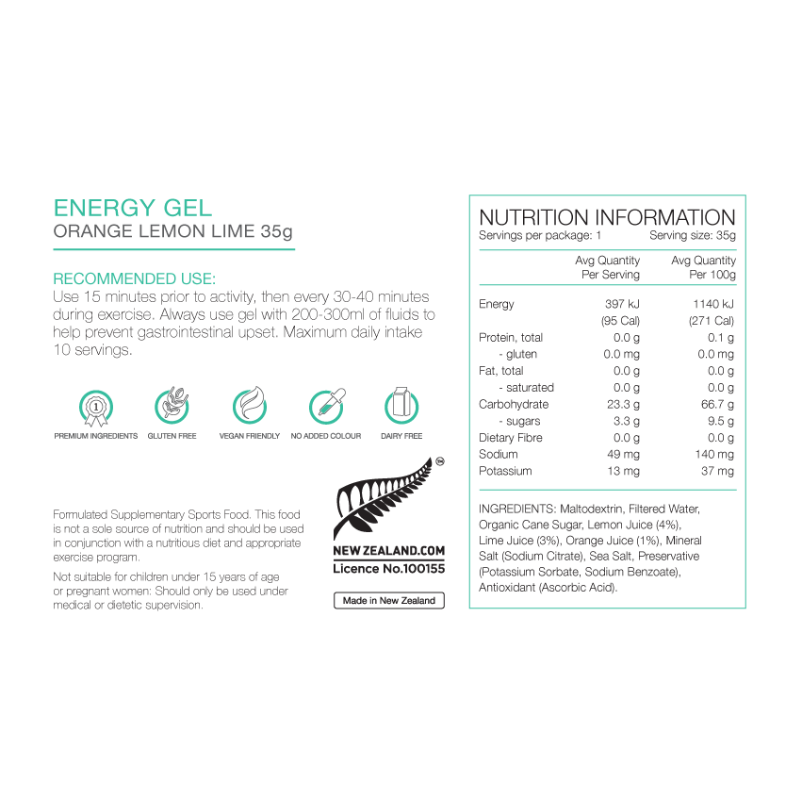
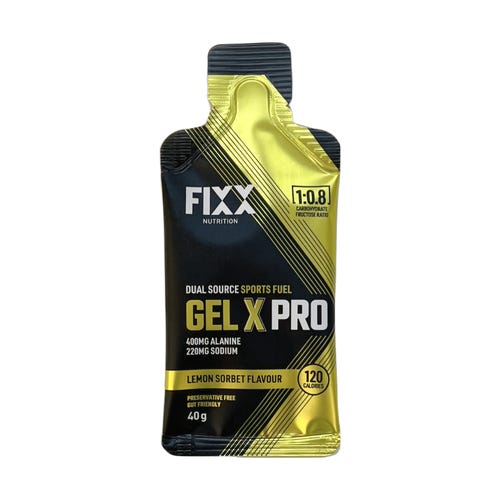
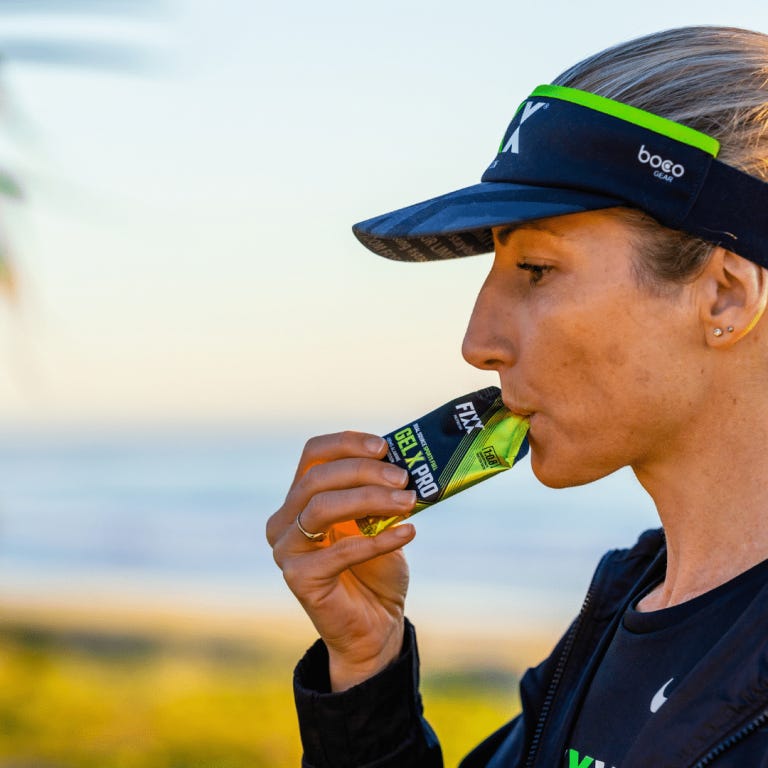
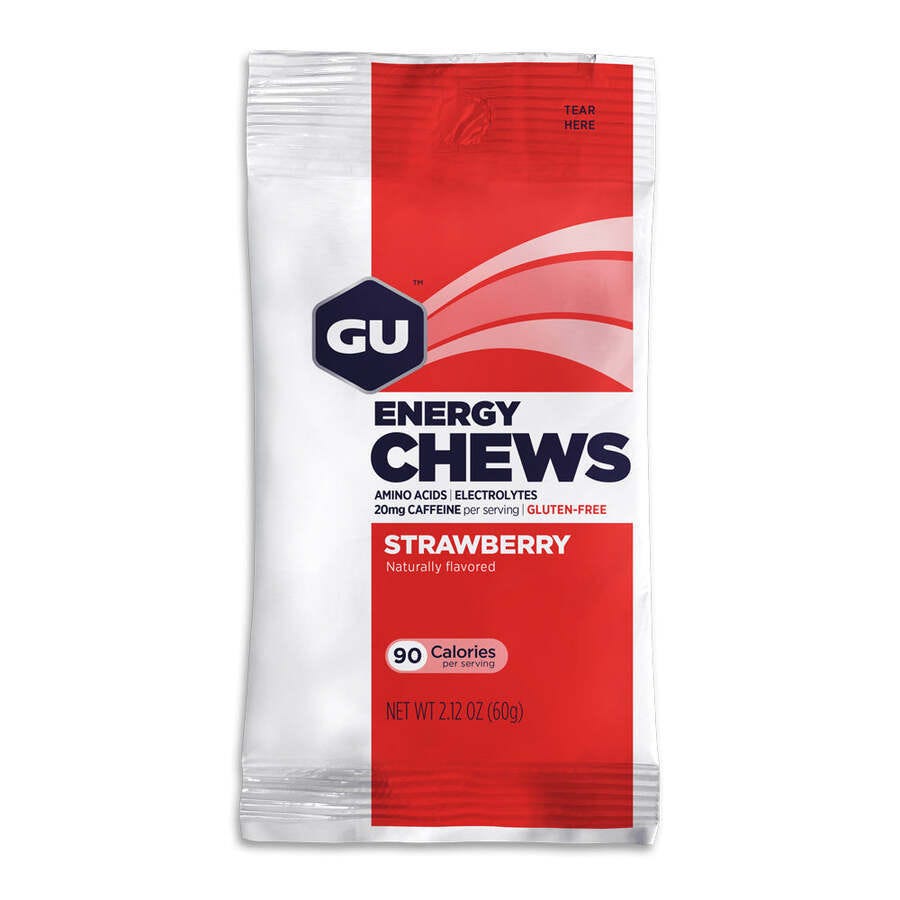
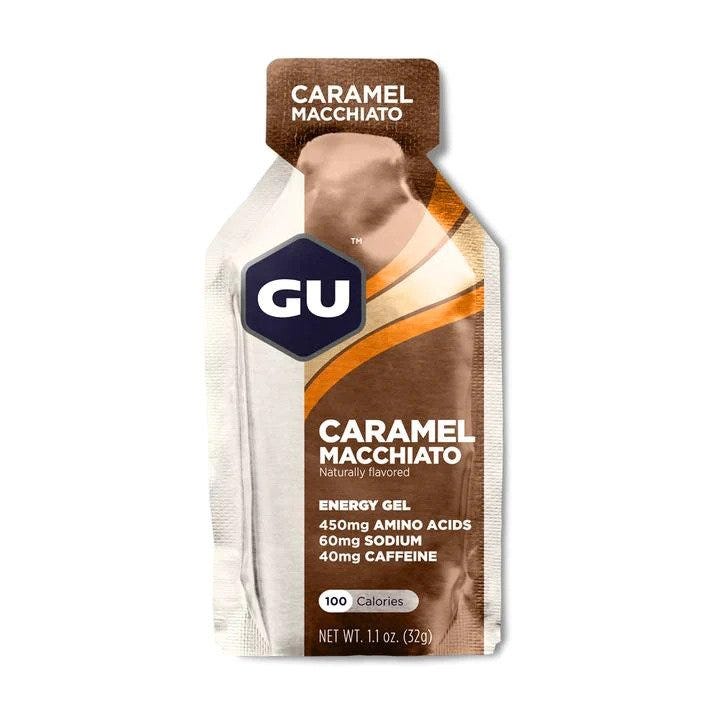
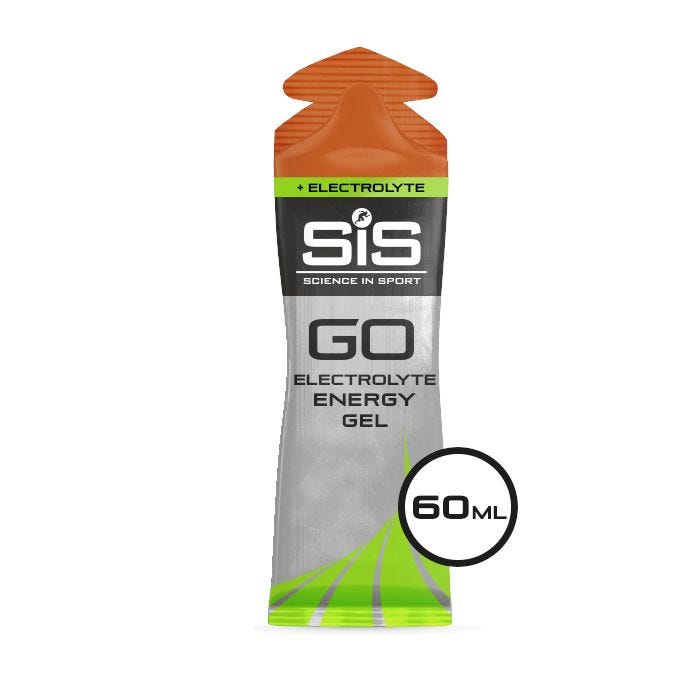
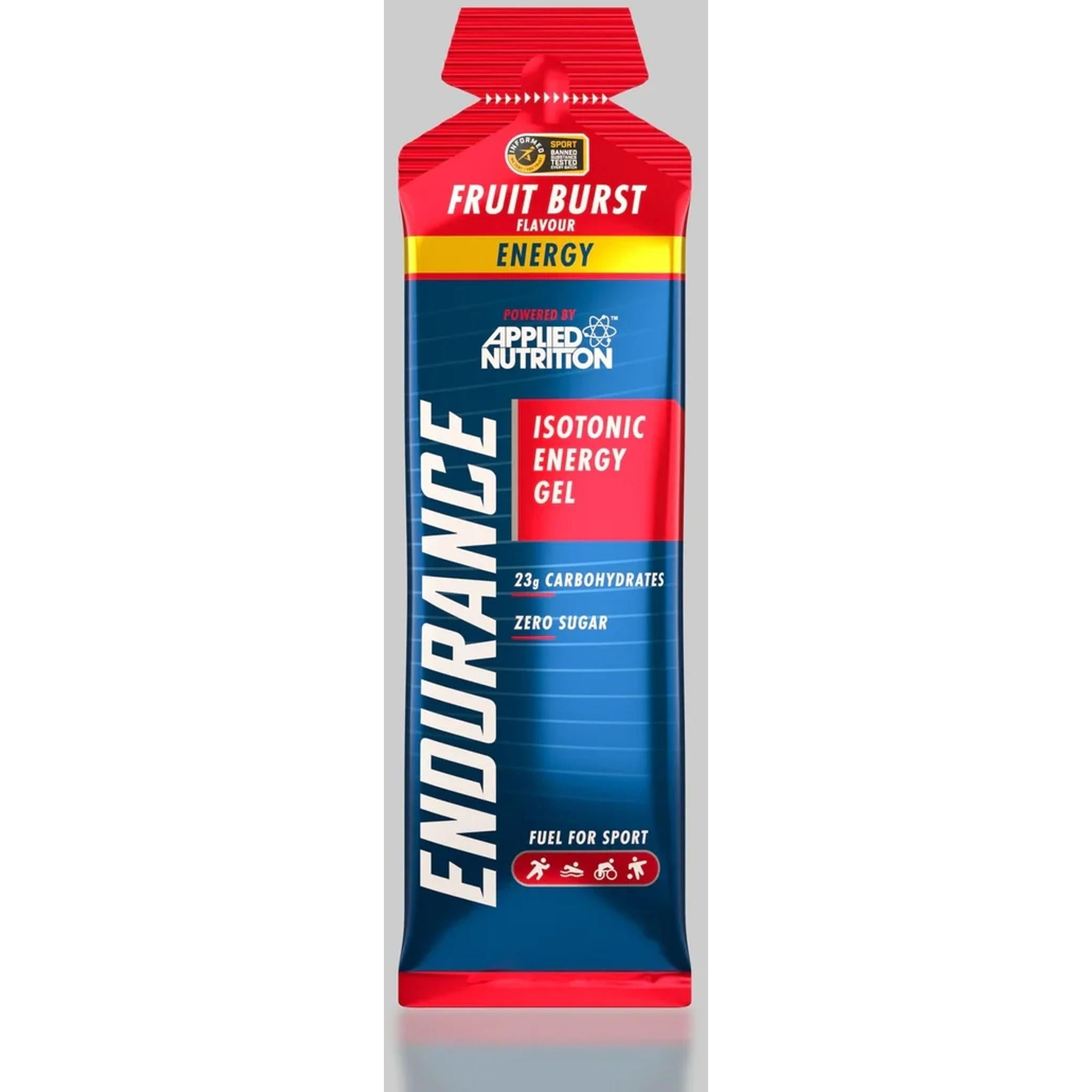
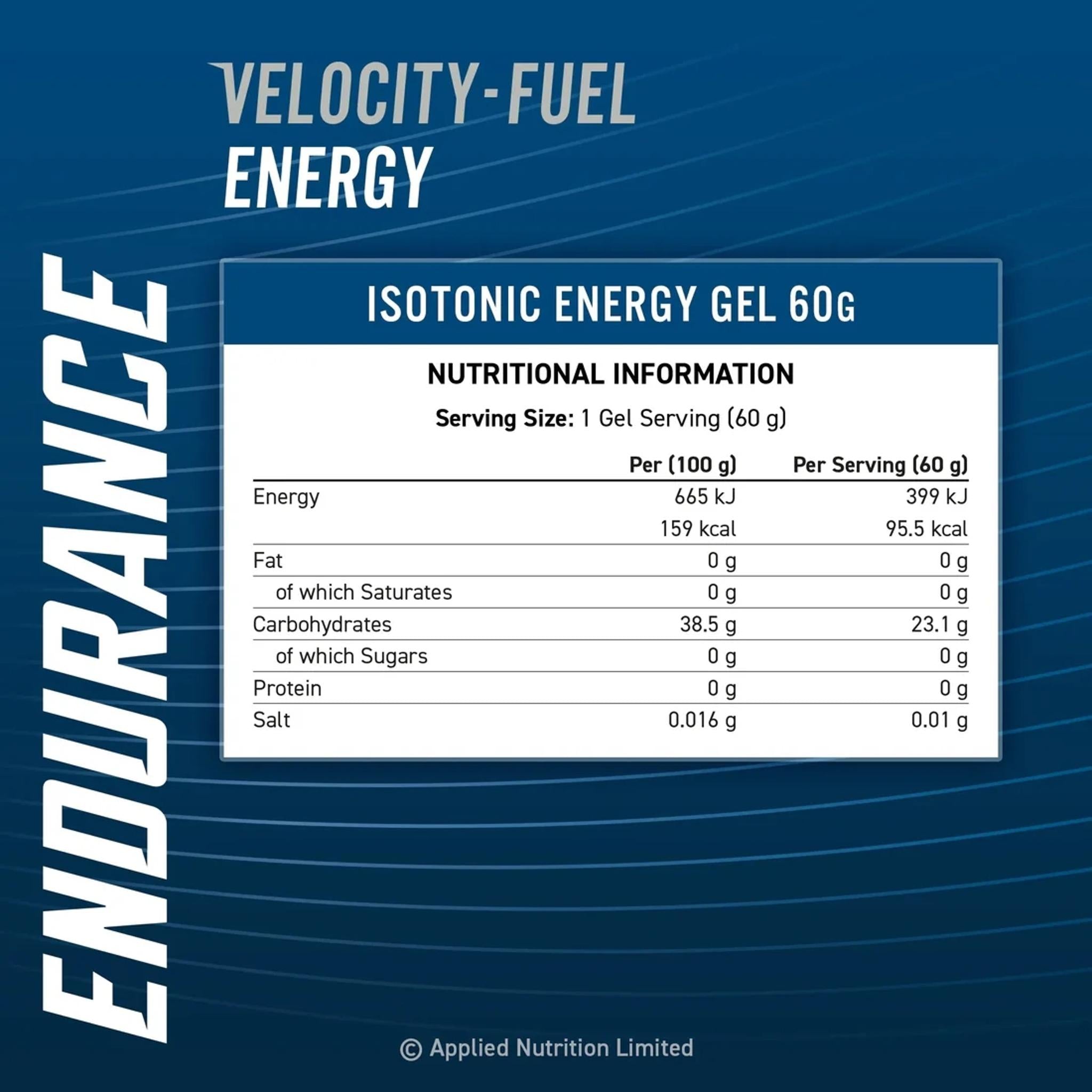
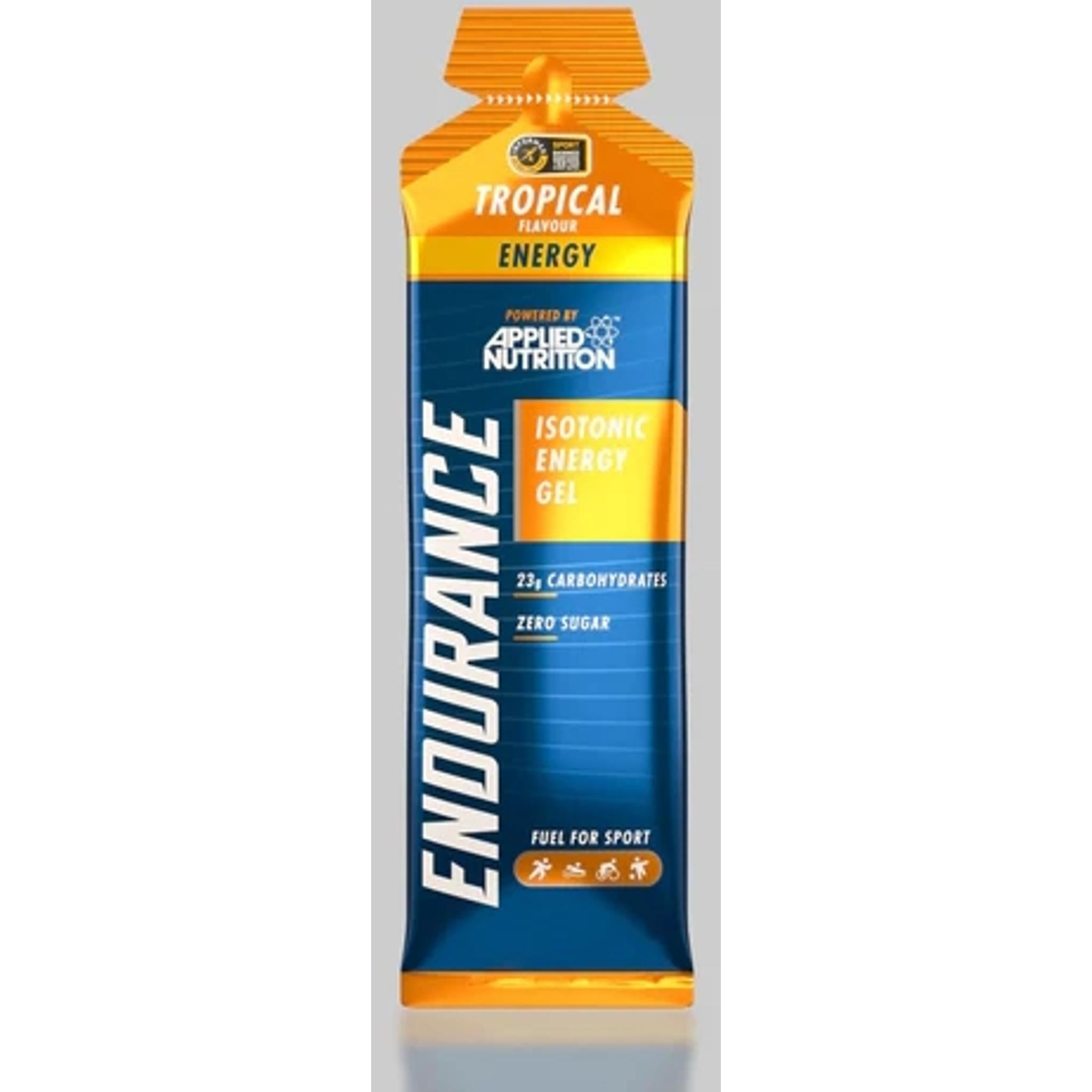
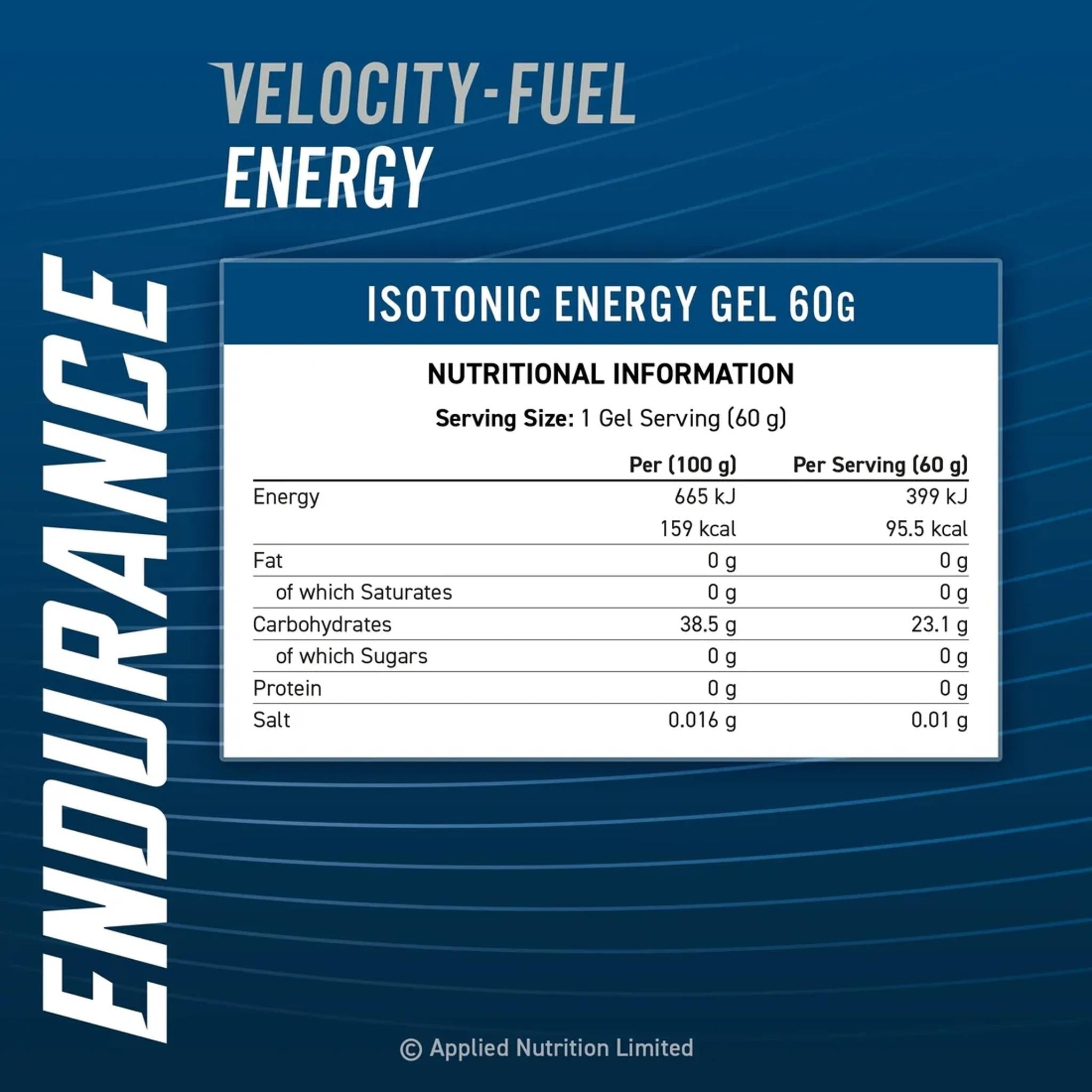
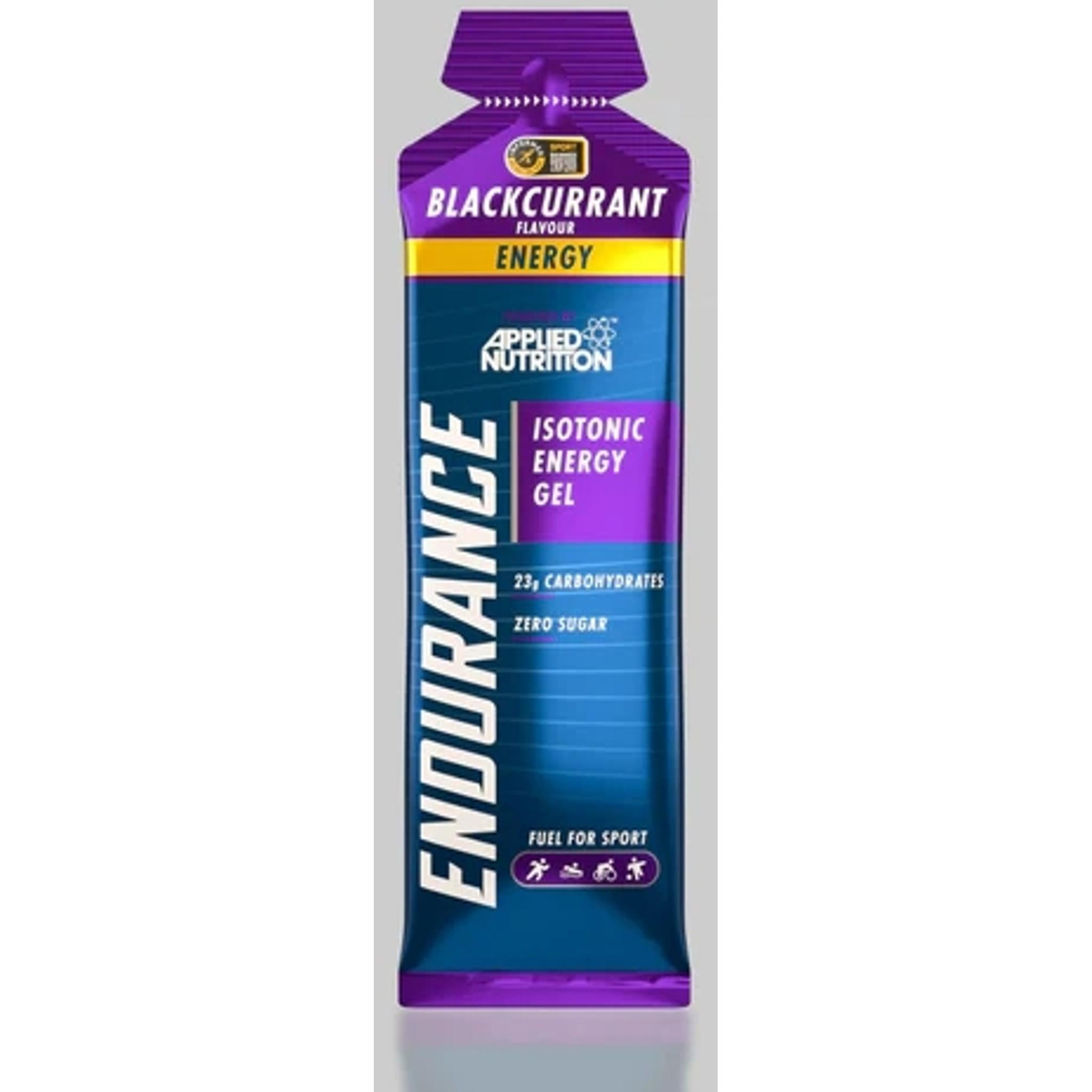
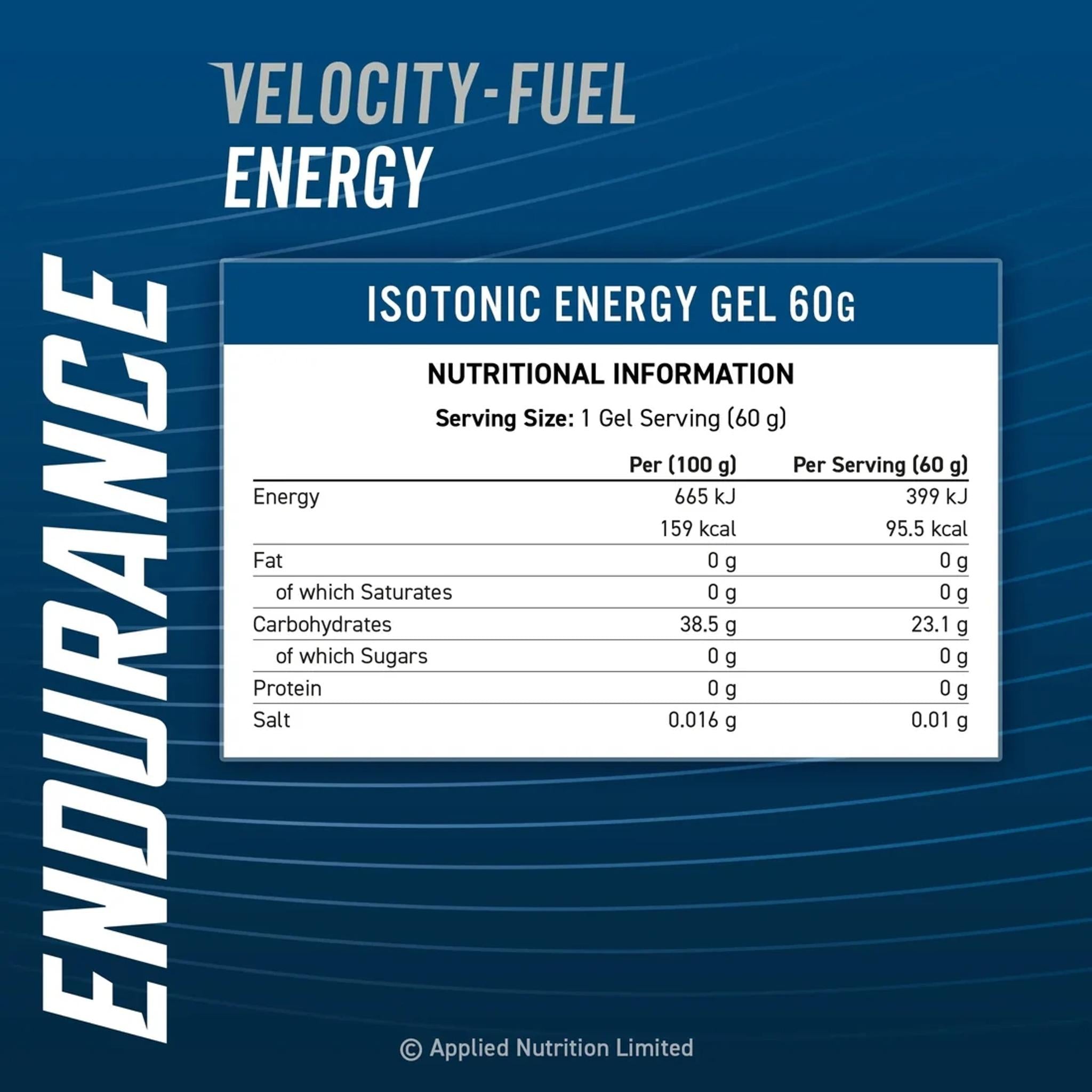
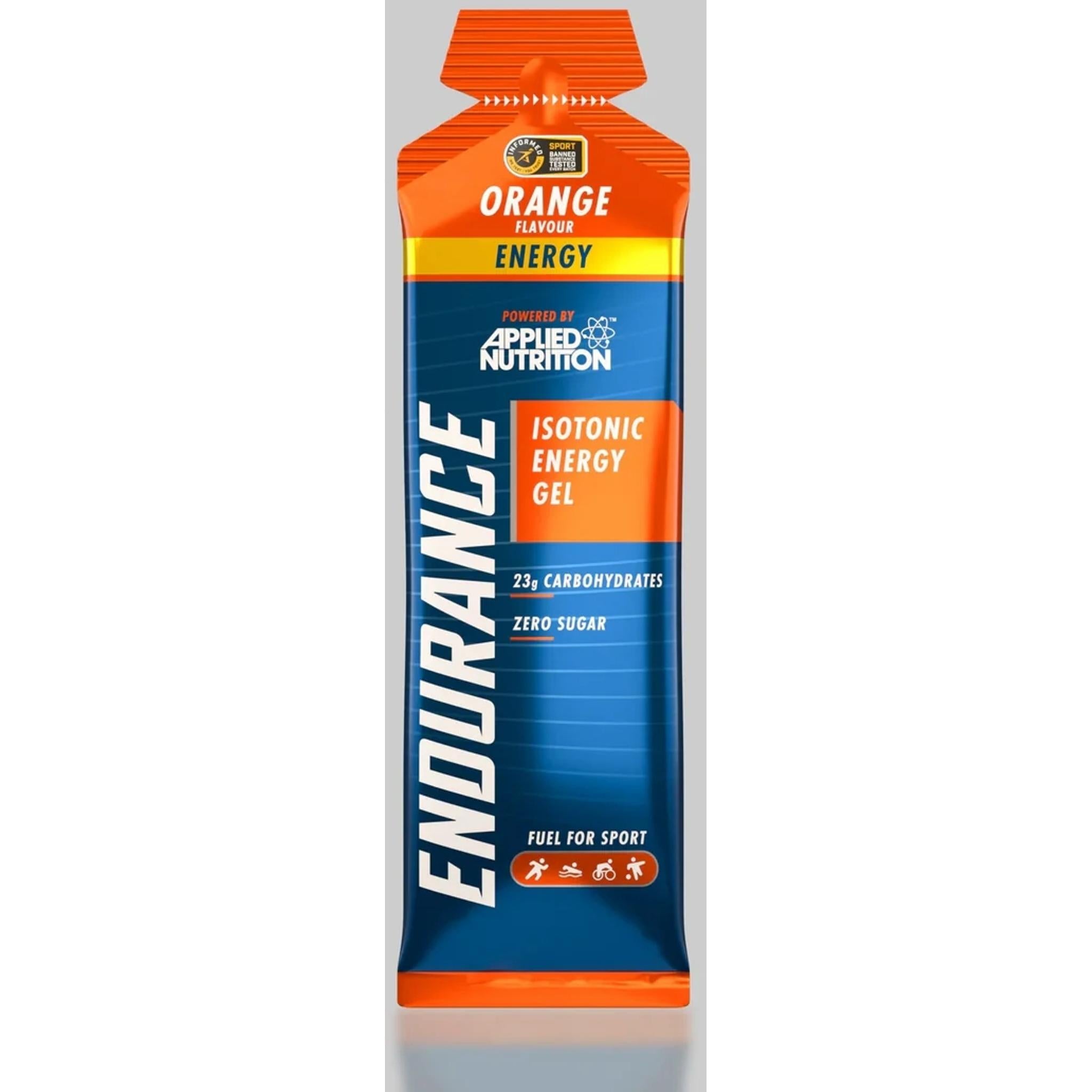
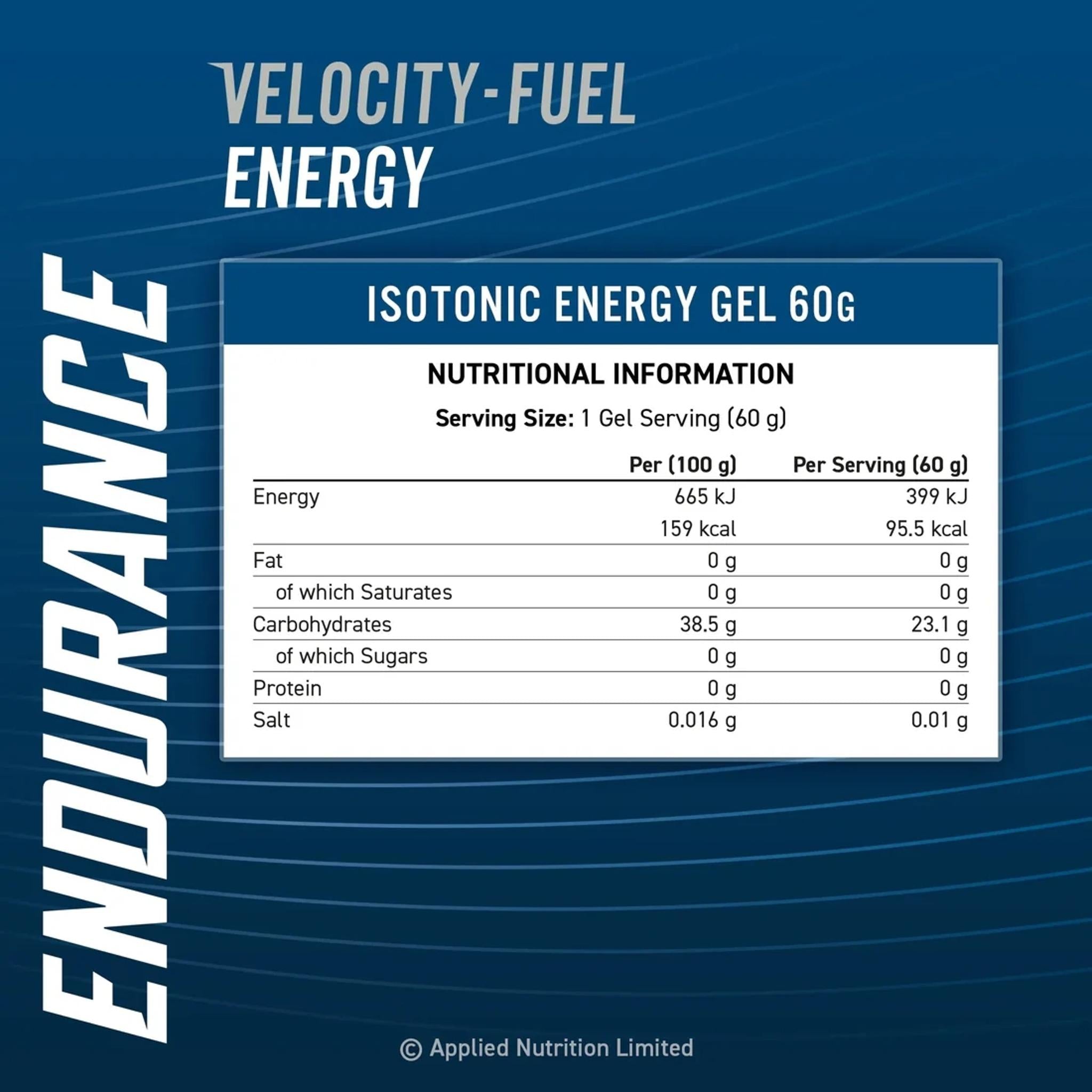
You’ve done the interval work. You’ve invested in the aero frame and the carbon wheels. But if you’re still hitting the "wall" at hour three or waking up with heavy legs before a back-to-back training day, the bottleneck isn't your fitness—it's your fuel. In 2026, cycling nutrition has evolved beyond "eating when you're hungry." We now treat the gut as a trainable organ, capable of processing higher workloads than ever before. This guide will walk you through the science of modern fueling, from dual-source carbohydrates to the "Big 5" performance boosters, ensuring you never "bonk" again. The Energy Phase: Fueling the Engine For beginners, the recommendation of 30–60g carbohydrates per hour still remains but for intermediate and advanced cyclists pushing 150+ watts, the 2026 gold standard is 60–90g of carbohydrates per hour, with some pro-level athletes even pushing toward 120g. Gels vs. Chews vs. Liquid Carbs Your choice of "vehicle" depends on the intensity of the ride and your personal preference for texture. Energy Gels (Quick Hits): Ideal for high-intensity sections or the final 30 minutes of a race. They require minimal chewing and enter the bloodstream rapidly. Chews & Blocks Portioned Fueling): Great for steady-state endurance rides. They provide a tactile "eating" experience, which can help curb hunger during long zone 2 blocks. Liquid Carbs (High-Capacity): The preferred method for many racers in 2026. High-carb drink mixes allow you to sip 80g of carbs over an hour, providing steady energy and hydration simultaneously. Pro Tip: Always test your "gut budget" during training. Start at 50g/hour and increase by 10g every week to train your stomach to handle higher carb loads. The Recovery Phase: The 3-R Rule Recovery isn't just a rest day; it's an active process that begins the second you unclip. To back up a hard Saturday with a quality Sunday, you must follow the 3-R Rule. 1. Refuel (Carbohydrates) You’ve just depleted your glycogen stores. Even if you aren't "hungry," your muscles are screaming for glucose to replenish energy levels. 2. Repair (Protein) Cycling creates micro-tears in the muscle fibers. You need high-quality protein (whey or a complete plant-based blend) to trigger muscle protein synthesis and rebuild tissue. 3. Rehydrate (Electrolytes) Water alone isn't enough. You need to replace the fluid volume lost through sweat and the minerals (sodium, magnesium, potassium) required for cellular function. The "Golden Window" and the 4:1 Ratio Timing is everything. Within the 30–60 minute "Golden Window" post-ride, your insulin sensitivity is peaked, and your muscles are primed to soak up nutrients. Aim for a recovery shake with a 4:1 Carb-to-Protein ratio. For a typical 75kg rider, this looks like roughly 60–80g of carbs paired with 15–20g of protein. This specific ratio has been shown to replenish glycogen faster than carbs alone. Hydration & Electrolyte Strategy Hydration is highly individual, but the "drink to thirst" method often fails in high-performance settings. By the time you feel thirsty, you are already 1–2% dehydrated, which can lead to a 10% drop in power output. Sodium is the lead actor here. For rides over 90 minutes, or in temperatures exceeding 25°C, you should aim for 500mg–1000mg of sodium per litre, depending on your sweat rate. Pro Tip: Do a "Sweat Test." Weigh yourself before and after a 1-hour ride. Every 1kg of weight lost equals roughly 1 litre of fluid that needs to be replaced. 🛒 Shop the Essentials Ready to upgrade your fuelling strategy? Explore our curated collections: Shop Energy Gels – High-carb, dual-source fuelling. Shop Recovery Nutrition – Recovery and muscle support. Shop Hydration – Precision sodium for heavy sweaters. The 2026 Buyer's Checklist Before you head out on your next century or race, run through this checklist to ensure your pantry is stocked for performance: ☐ Dual-Source Carbs: Do your gels or drink mixes feature a 1:0.8 Glucose-to-Fructose ratio? ☐ The 90g Target: Do you have enough fuel to hit at least 60–90g of carbs per hour for the duration of your ride? ☐ Recovery Proximity: Is your recovery tub sitting on the counter ready for that 30-minute post-ride window? ☐ Sodium Content: Does your hydration mix provide at least 500mg of sodium for hot days? ☐ The "Big 5" Check: Are you utilizing caffeine or nitrates for your "A" priority events? Conclusion Nutrition is the "fourth discipline" of cycling. You wouldn't ride with a dragging brake pad, so don't let a sub-optimal fuelling strategy hold back your power. By embracing high-carb intake and a structured recovery protocol, you’ll find that the "limitations" you thought were physical were actually just nutritional.


