Skip to content
Delivering to:
Collecting from:
Compare (0/5)

Basic Indoor Trainers

Shop

Learn

Shop your local store Local store

Select your local store to shop by your local store

Not sure what sized bike is best?

Answer a few short questions and we'll make a recommendation on which size is best for you.

Compare

6% Off Full Price
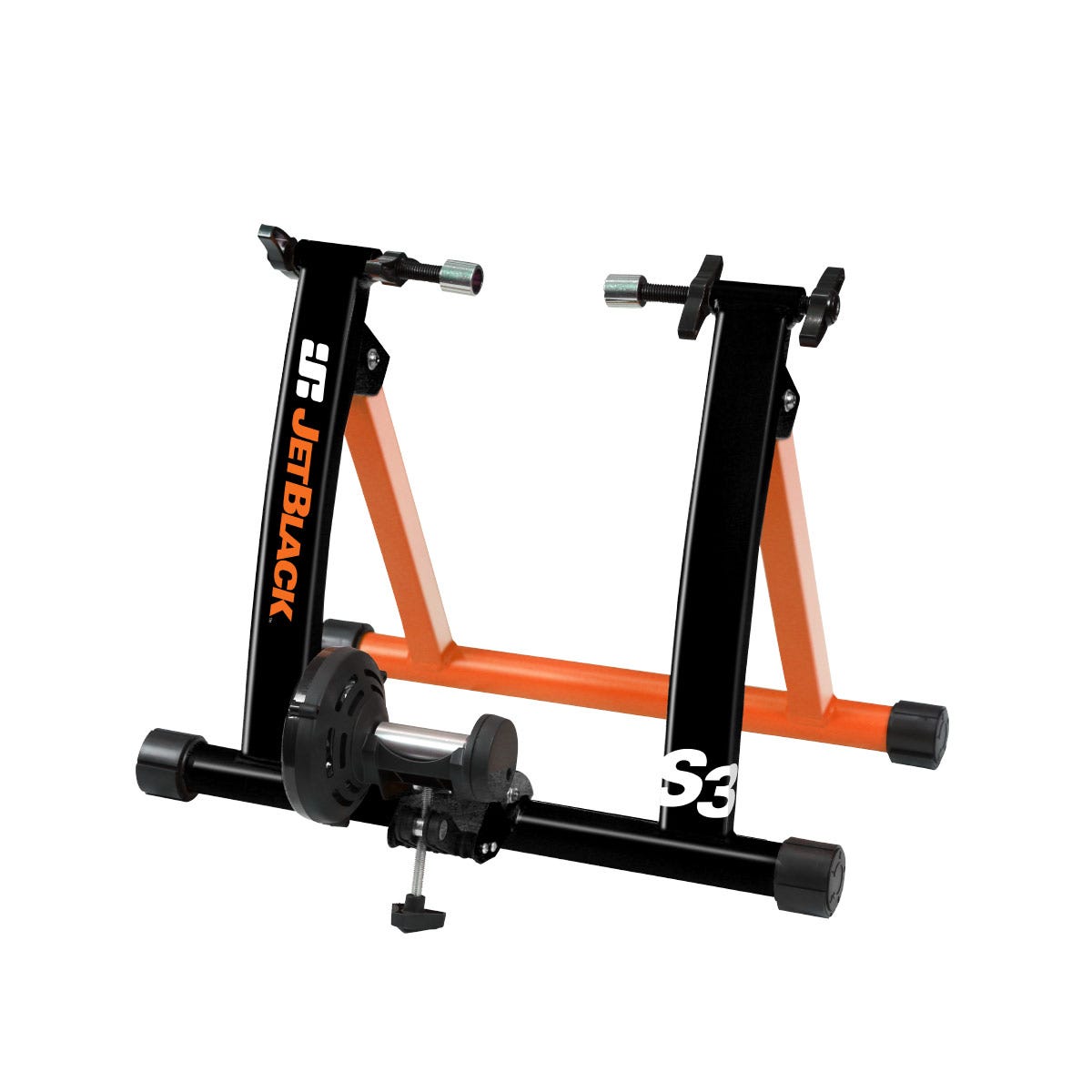
JetBlack S3 Sport Indoor Trainer

Jetblack

JetBlack S3 Sport Indoor Trainer

Regular price $149.00 Full price
Sale price $149.00
Club price
Regular price $160.00 Full price
23% Off Full Price Clearance
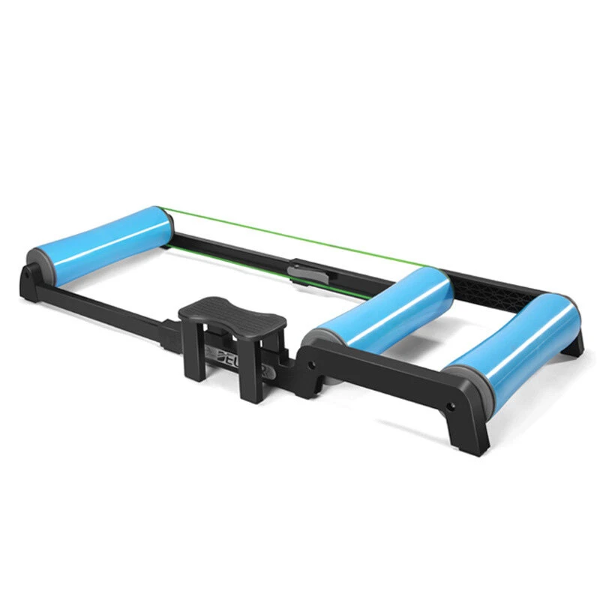
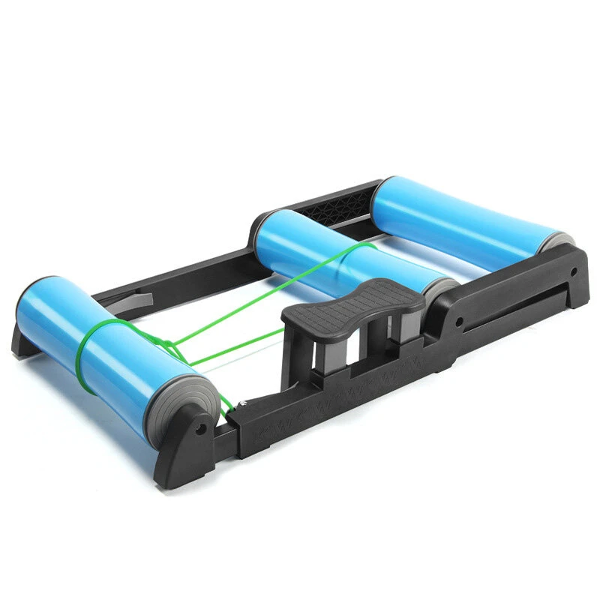
QBP Foldable Bike Rollers

KWT

QBP Foldable Bike Rollers

Regular price $179.00 Full price
Sale price $179.00
Club price
Regular price $234.99 Full price
25% Off Full Price
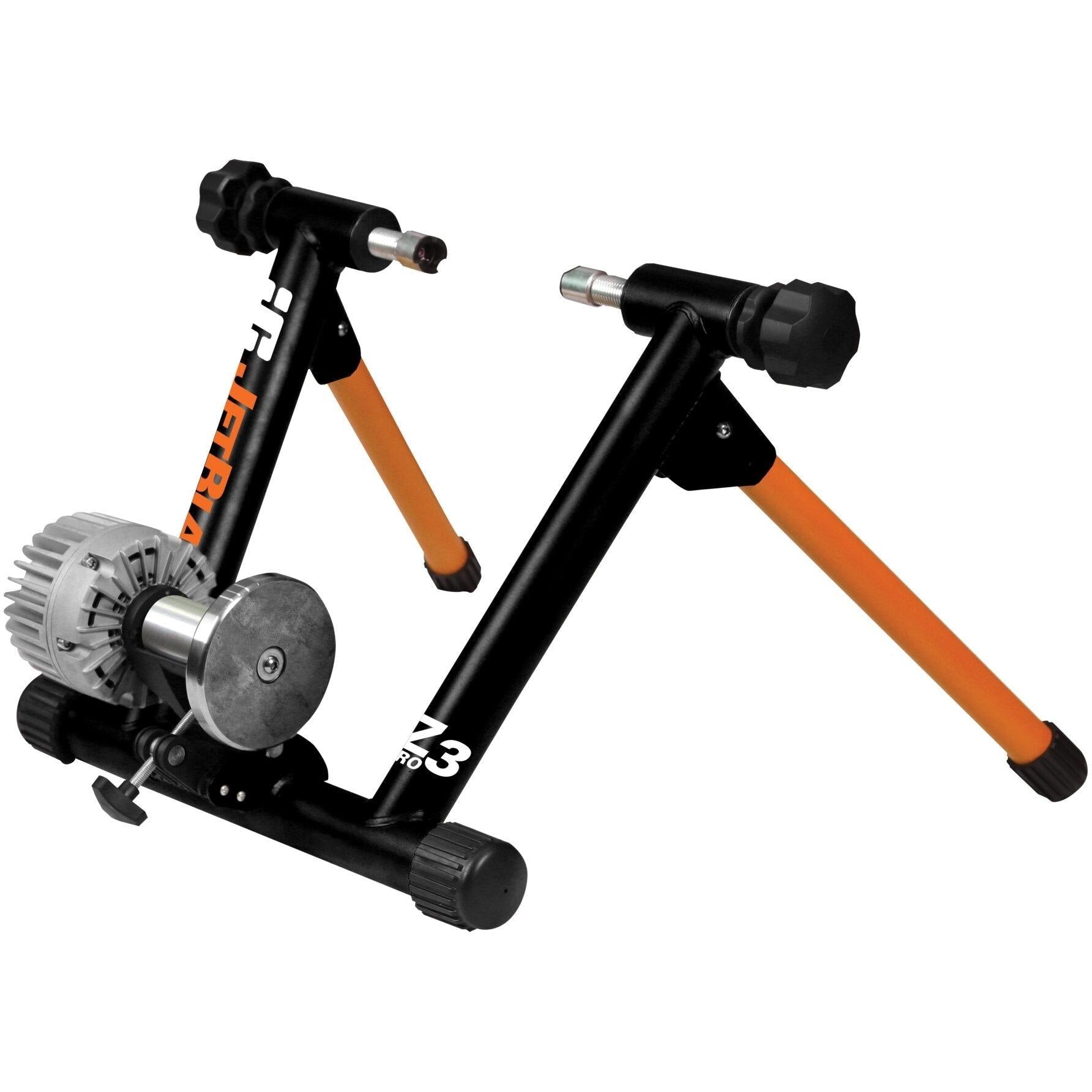
JetBlack Z3-Pro Fluid Trainer

Jetblack

JetBlack Z3-Pro Fluid Trainer

Regular price $299.00 Full price
Sale price $299.00
Club price
Regular price $400.00 Full price

Find Your Size

Step 1: Measure your height

  • Take off your shoes
  • Stand with your back straight against a wall
  • Balance a book on your head to mark your height on the wall
  • Measure your height by the distance from the floor to the mark
cm

Find Your Size

Step 2: Adjust your inseam

  • Based on your height, we’ve calculated a starting point.
  • You can measure your inseam by tucking a book between your legs so there is pressure but it isn’t uncomfortable.
  • Inseam typically falls with 5cm of the average.
cm

Find Your Size

Your results

For the we suggest the following size.

More comfort More speed
Height: --
Inseam: --
Adjusted Height: --

Find Your Size

We have saved your measurements.

Recommended sizes will now be highlighted on the page.

What to consider when shopping for Basic Indoor Trainers

When shopping for a Basic Trainer, the most important thing to consider is what you actually need from your indoor setup. These entry-level trainers are designed for cyclists who want a simple, reliable way to ride at home without the complexity or cost of more advanced systems. If you are new to indoor training, recovering from a break, or just looking to stay active through winter or wet weather, a basic trainer gives you everything you need to get started. Think about how often you plan to train and whether you need any connectivity features, as most basic trainers focus on straightforward resistance rather than app integration. Consider the type of resistance the trainer uses, how stable it feels with your bike, and how easy it is to set up and pack away. A no-fuss option suits riders who value simplicity over data.

Commonly Asked Questions about Basic Indoor Trainers

Expert Advice

Indoor Smart Trainer Buying Guide: Everything You Need to Know
Buying Guides

Indoor Smart Trainer Buying Guide: Everything You Need to Know

Thinking about training indoors? A smart trainer or smart bike is one of the most reliable ways to build fitness on your own schedule—no traffic, no weather, no daylight to work around. But with basic and smart wheel-on trainers, direct-drive trainers, and dedicated smart bikes or frame combos all on the market, picking the right setup can feel overwhelming. This guide breaks down exactly what to look for, the different types available, and the extras worth having from day one—so you can buy with confidence, whatever your budget. In Summary A basic wheel-on trainer is the cheapest way in; a smart wheel-on trainer adds app data on a budget; a direct-drive trainer is quieter and more accurate; a smart bike or frame combo is the simplest all-in-one option. Popular training apps like Zwift usually cost extra as an ongoing subscription—factor that into your budget beyond the hardware price. If you're buying a direct-drive trainer, check your bike's rear axle standard matches before you buy. Using a wheel-on trainer? A proper trainer tyre will save you money on worn-out rubber down the track. Indoor sessions run hotter and sweatier than outdoor riding—budget for a fan, towel, and training mat, not just the trainer itself. In This Article At a Glance: Our Top Picks What to Consider When Choosing Your Trainer 1. Trainer Type: Wheel-On vs Smart Direct-Drive vs Smart Bike or Frame Combo 2. Bike Compatibility: Axle Standards & Adapters 3. Connectivity and Training Apps 4. Noise and Resistance 5. Footprint & Storage Common Types of Trainers So, Which Should You Choose? Electrical Safety Basics Essential Gear for Indoor Training Shop the Range At a Glance: Our Top Picks Best For... Our Pick: Key Highlight: Smart-Trainer & Frame Combo Zwift Ride with KICKR CORE 2 Smart Trainer Our single best-selling product across the entire range—an adjustable indoor frame paired with a direct-drive trainer unit. Direct Drive Wahoo KICKR CORE 2 Smart Trainer One of our most popular trainers, pairing accurate power data with quiet, stable performance on your own bike. Wheel-On Wahoo KICKR ROLLR Smart Trainer A genuine smart, connected wheel-on trainer—real power data and app compatibility without needing to swap your rear wheel. Budget JetBlack S3 Sport Indoor Trainer The lowest-cost way to try structured indoor training, using your bike's own wheel rather than requiring a swap. What to Consider When Choosing Your Trainer Choosing an indoor trainer is about matching it to how you'll actually use it. Here's what to look for. 1. Trainer Type: Wheel-On vs Smart Direct-Drive vs Smart Bike or Frame Combo Wheel-On Trainer: Your rear wheel presses against a resistance roller, which is the cheapest and simplest way to get started indoors. These come in both basic (non-connected) versions, with no app or data compatibility at all, and smart, connected versions that still use your wheel but add power and speed data plus app compatibility. Either way, it's noisier than a direct-drive setup and wears through tyres faster. Smart Direct-Drive Trainer: Replaces your bike's rear wheel with the trainer's own resistance unit, turning your existing road or hybrid bike into an indoor training tool. It's the more affordable way in if you already own a bike you like, but it does mean swapping your wheel on and off each time, and it only works as well as the bike you're attaching it to. Smart-Trainer & Frame Combo: A dedicated indoor frame, such as the Zwift Ride, paired with a separate direct-drive trainer unit. The frame gives you an adjustable, bike-like fit without needing your own bike, and in some cases the trainer unit itself can be swapped out or later paired with an outdoor bike—giving you more flexibility than a fully fused setup. Standalone Smart Bike: A complete, purpose-built indoor bike where the frame and resistance unit are permanently fused into one unit, with nothing to attach, swap, or repurpose. It's the simplest option to live with day to day, but it's a dedicated indoor-only purchase with no flexibility if your needs change. 2. Bike Compatibility: Axle Standards & Adapters If you're going with a direct-drive trainer, it needs to physically match your bike's rear axle standard—either a quick-release skewer or a thru-axle, and if it's a thru-axle, the specific diameter and length matter too. Most direct-drive trainers ship with adapters to cover the common standards, but it's worth checking your bike's exact axle type before you buy, especially if it's a newer bike or came from overseas, since not every combination is covered out of the box. 3. Connectivity and Training Apps Most smart trainers and smart bikes connect wirelessly to apps like Zwift, letting you join virtual group rides, follow structured workouts, and see your power output in real time. Before buying, check that a trainer supports the app you actually want to use—most modern trainers are broadly compatible, but very cheap or older models can be more limited in which apps and features they support. Worth budgeting for: most of the popular training apps run on an ongoing monthly or annual subscription on top of the hardware cost, so factor that into your running costs rather than treating the trainer itself as a one-off purchase. 4. Noise and Resistance Direct-drive trainers are generally quieter than wheel-on designs, since there's no tyre spinning against a resistance unit—a genuine factor if you're training early, late, or in a shared building. Resistance range matters too—look for a trainer that can realistically simulate steep climbs if hill training is part of your plan, since budget trainers sometimes struggle to replicate steeper gradients convincingly. 5. Footprint & Storage A standalone smart bike or smart-trainer frame combo is a semi-permanent fixture—it needs a dedicated spot in your home, since neither is something you fold away after a session. Wheel-on and direct-drive trainers are generally more compact and easier to tuck against a wall or under a table between rides, which is worth thinking about if you're working with limited space or sharing a room with other furniture. So, Which Type of Trainer Should You Choose? There's no single right answer—just the option that matches your budget, your space, and how seriously you plan to train. Choose a basic (non-connected) trainer if: you just want an occasional, low-cost way to keep pedalling indoors, without needing apps, data, or structured workouts. Choose a smart wheel-on trainer if: you want app compatibility and basic training data on a budget, without committing to a full direct-drive setup. Choose a direct-drive trainer if: you already own a bike you're happy with and want accurate, quiet performance for regular structured training. Choose a smart bike or frame combo if: you want the simplest, most convenient indoor setup and are happy dedicating a permanent space to it. Essential Gear for Indoor Training A few extras make a real difference once you're actually training. Clipless Shoes and Pedals: Most smart trainers and smart bikes are set up for clipless pedals, so a proper pair of cycling shoes makes a real difference to comfort and power transfer. Browse our range of road cycling shoes and road pedals. A Heart Rate Monitor: Gives you an extra layer of data to track effort and fitness improvements over time alongside your power numbers. Browse our range of heart rate monitors. Padded Cycling Shorts: Genuinely useful for longer indoor sessions, and one of the simplest upgrades for overall comfort. Browse our range of men's cycling shorts and women's cycling shorts. A Training Mat: Protects your flooring from sweat and vibration, and helps dampen noise if you're riding in a shared building or apartment—a worthwhile first purchase for any indoor setup. Browse our range of trainer accessories. A Fan and a Tablet or Phone Holder: Without the cooling effect of riding outdoors, indoor sessions heat up fast—a dedicated fan pointed at your setup makes a bigger difference to comfort, and how hard you can actually push, than most first-timers expect. A stable, handlebar or frame-mounted device holder makes following a training app like Zwift far easier than propping a device up and hoping it stays put. See our range of trainer accessories.

Sep 22, 2026
Read More
Indoor Trainers Buying Guide
Buying Guides

Indoor Trainers Buying Guide

Indoor bike trainers are an excellent way of ensuring you can get in your daily kilometres no matter what the weather's doing outside. For those who are unfamiliar with indoor trainers, selecting the right type can be a confusing process, so here's an overview of the different varieties available and how to select the right one for your training needs. Indoor Trainers An indoor trainer removes any excuses you can think of for not riding. You can set it up anywhere you like (even in front of the TV) allowing you to continue riding regardless of time of day, nasty weather etc. The less expensive magnetic trainers offer a cost effective option, and are great for riders that just want the occasional 'bail out' option without having to spend too much. Fluid trainers offer a more realistic riding feel due to the way resistance is applied, and are generally preferred by riders intending to use the trainers as a more integral part of their riding. Both Magnetic & Fluid trainers are quieter than wind trainers. Indoor trainers are known by many different names such as turbo trainers, wind trainers or simply bike trainers. See All Indoor Trainers Fluid Trainers As their name suggests, fluid bike trainers employ the use of heat sensitive fluid contained within the flywheel to provide a riding experience which closely mimics that of riding outdoors. As your cadence increases, the fluid thickens due to the increase in temperature which creates resistance which becomes progressively stronger. Fluid trainers are preferred by riders who take their training a little more seriously and generally create less noise than their magnetic counterparts which is great for those who like to exercise before the rest of the household is awake. See All Trainers Rollers Unlike trainers, rollers do not provide any resistance so you won't be able to do sprint or interval training on them. However, rollers do provide a great full body workout as you'll be using your core muscles to maintain your balance. Using rollers requires higher concentration and skill levels as your bike isn't secured to the unit as it would be on a trainers. This will actually improve your balance and spinning technique out on the road as you'll need to maintain a smooth, efficient cadence to keep yourself upright on rollers. See All Rollers

Jul 3, 2025
Read More
Gear Up For Ultimate Indoor Cycling Jetblack Cycling Solutions
Good Yarns

Gear Up For Ultimate Indoor Cycling Jetblack Cycling Solutions

Indoor cycling has become a popular way to stay fit, especially when weather or other circumstances hinder outdoor rides. To make the most of your indoor cycling sessions, having the right gear and accessories is crucial. The question is often asked, "What gear and accessories do I need for Indoor Cycling?" JetBlack Cycling, a renowned name in the cycling industry, offers a range of innovative solutions that dramatically enhances your indoor cycling experience. In this blog, we'll explore the essential gear and accessories you need for indoor cycling, with a special focus on the cutting-edge products from JetBlack Cycling. 1. Indoor Trainer The Foundation of Your Workout: A high-quality indoor trainer is at the heart of your indoor cycling setup. Look for a model that is certified to use with Zwift and other training apps, and has a heart rate bridge built in so you can pair your heart rate monitor with your trainer. Make sure you choose a trainer that includes a pre-installed cassette, as this is often over looked and adds to the purchase price and is not easily installed at home. The JetBlack VOLT trainer ticks all the boxes and also replicates the feel of a real road while providing a smooth and challenging workout. 2. Riser Blocks and Front Wheel Supports Optimal Positioning: When training indoors the front wheel needs to be level or slightly higher than the back wheel. If it is even a small amount lower, it will be really uncomfortable and puts stress on the arms and shoulders. A wheel block lifts the front wheel to be level. Those models that lift the front wheel AND allow the handlebars to move are best for ergonomic comfort and also protects the bike frame from stress. Steering at the moment it's all the rage on indoor cycling apps, and if your budget allows, purchasing a steering block that allows you to steer within an app will future proof your setup. 3. Display and Device Holders What type of device will you use to display your indoor training app such as Zwift? If you are using a tablet or laptop device, then a good quality indoor training table will enhance your experience. A training table provides a sturdy platform that is easy to reach for your laptop and includes device slots to hold a tablet or phone. Other items that are used whilst indoor cycling such as gels, remotes, towels or bottles can also be placed on the table. For those who want to multitask, an indoor trainer table is a fantastic addition. JetBlack Cycling's tables are designed to hold your laptop, tablet, or book securely, allowing you to catch up on work, entertainment, or reading while you pedal away. They also feature handy device slots for holding a tablet or phone in a secure, upright position. For those using a TV, it is really important not to mount the TV too high. An indoor training TV stand is the perfect solution for keeping the TV nice and low and angling the screen at a 15 degree angle towards the rider. This takes strain off your neck as gives a lovely immersive experience. A trainer tray is also a handy utility device for keeping remotes, phones and snacks handy whilst on the bike. The best trainer tray on the market includes a mount to fit directly into your Garmin or Wahoo computer mount. 4. Keeping your cool An absolute essential for indoor training is a good quality fan . Even when training in colder months your body will heat up within a few minutes of riding and will require airflow to keep it cool for optimum performance. It's important to choose a fan that has strong direct airflow that covers most of the body for evaporative cooling. Many of the indoor training apps have group rides and a common mistake is to join a group ride without changing the fan on and then have to climb off the bike to turn the fan on and get dropped. Try to choose a model that has a remote control so that the fan can be turned on and off without having to get off the bike. 5. Other Essentials Finally, invest in a good quality indoor training mat . This will keep your trainer from slipping on smooth floor and add a layer of protection to the floor from sweat. A heart rate monitor paired to your indoor training app will also help to provide useful data for your sessions and is an important device for those taking their indoor training seriously. Having the right gear and accessories can greatly enhance your experience. JetBlack Cycling's innovative solutions provide a comprehensive range of options to elevate your indoor cycling setup. Whether you're looking for a realistic ride experience, technology integration, or accessories to optimize your comfort and performance, JetBlack Cycling has you covered. Invest in the right gear, and get ready to pedal your way to fitness success without leaving the comfort of your home.

Jul 3, 2025
Read More