Skip to content
Delivering to:
Collecting from:
Compare (0/5)

Child Trailers

Shop

Learn

Shop your local store Local store

Select your local store to shop by your local store

Not sure what sized bike is best?

Answer a few short questions and we'll make a recommendation on which size is best for you.

Compare

35% Off Full Price
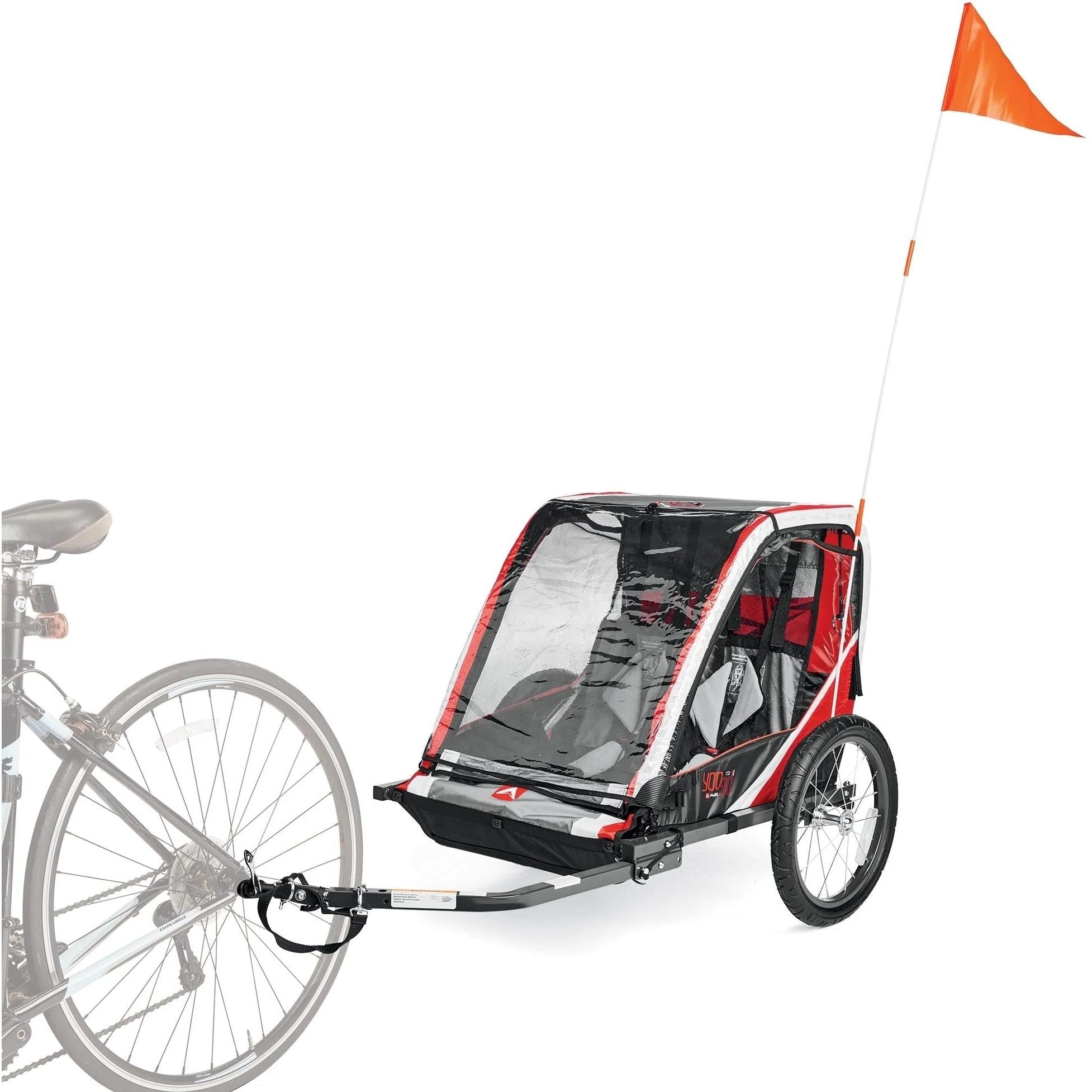
Allen Deluxe 2 Child Trailer Red

Allen

Allen Deluxe 2 Child Trailer Red

Regular price $244.00 Full price
Sale price $244.00
Club price
Regular price $379.95 Full price
25% Off Full Price
Trail Gator Tow Bar Trailer Bike Red

Gator

Trail Gator Tow Bar Trailer Bike Red

Regular price $149.00 Full price
Sale price $149.00
Club price
Regular price $199.09 Full price
25% Off Full Price
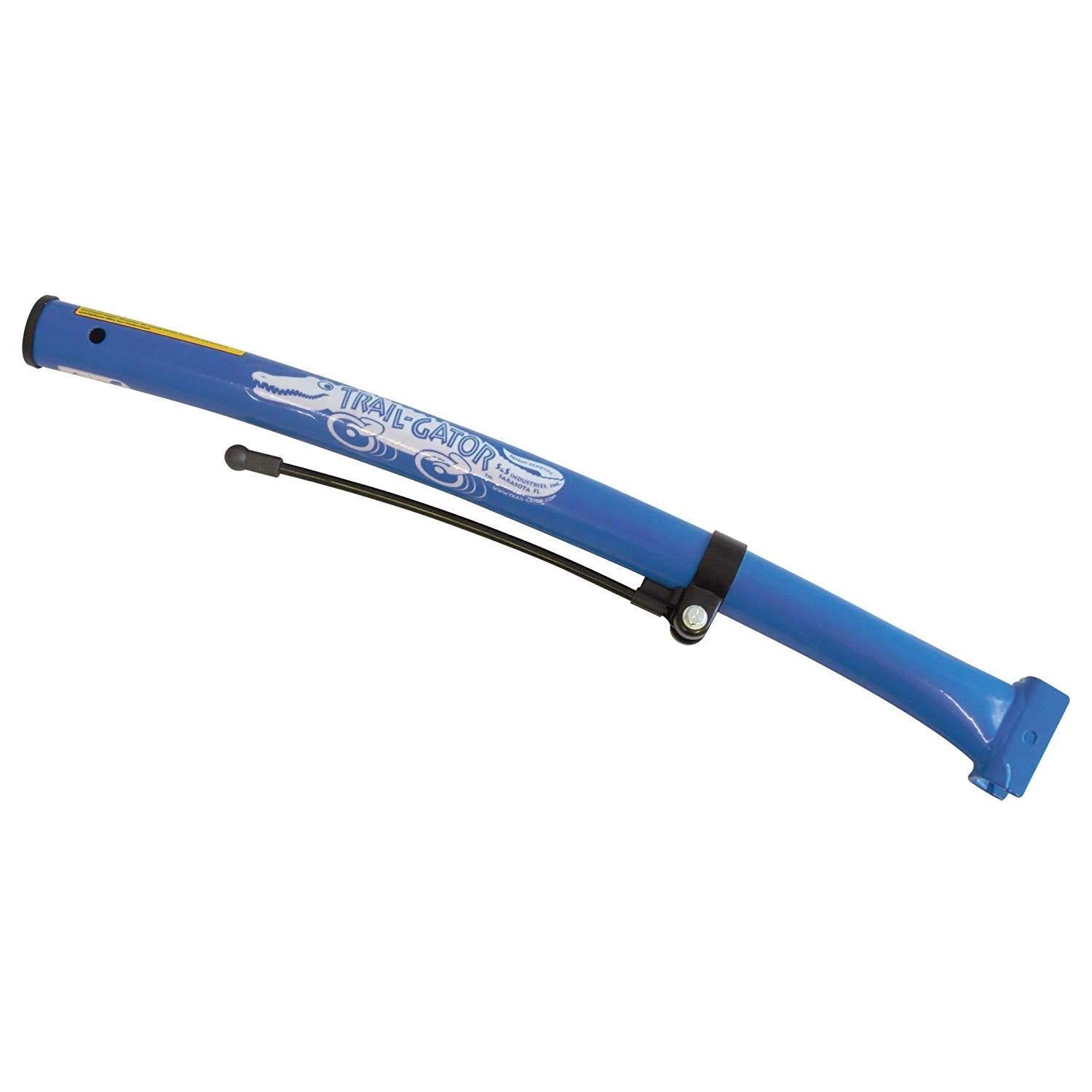
Trail Gator Tow Bar Bike Trailer Blue

Gator

Trail Gator Tow Bar Bike Trailer Blue

Regular price $149.00 Full price
Sale price $149.00
Club price
Regular price $199.00 Full price
20% Off Full Price Clearance
BPW Trailer Hitch for Bicycle Rear Axle with 12mm Axle Hole (without pin)

BPW

BPW Trailer Hitch for Bicycle Rear Axle with 12mm Axle Hole (without pin)

Regular price $27.00 Full price
Sale price $27.00
Club price
Regular price $34.00 Full price
16% Off Full Price
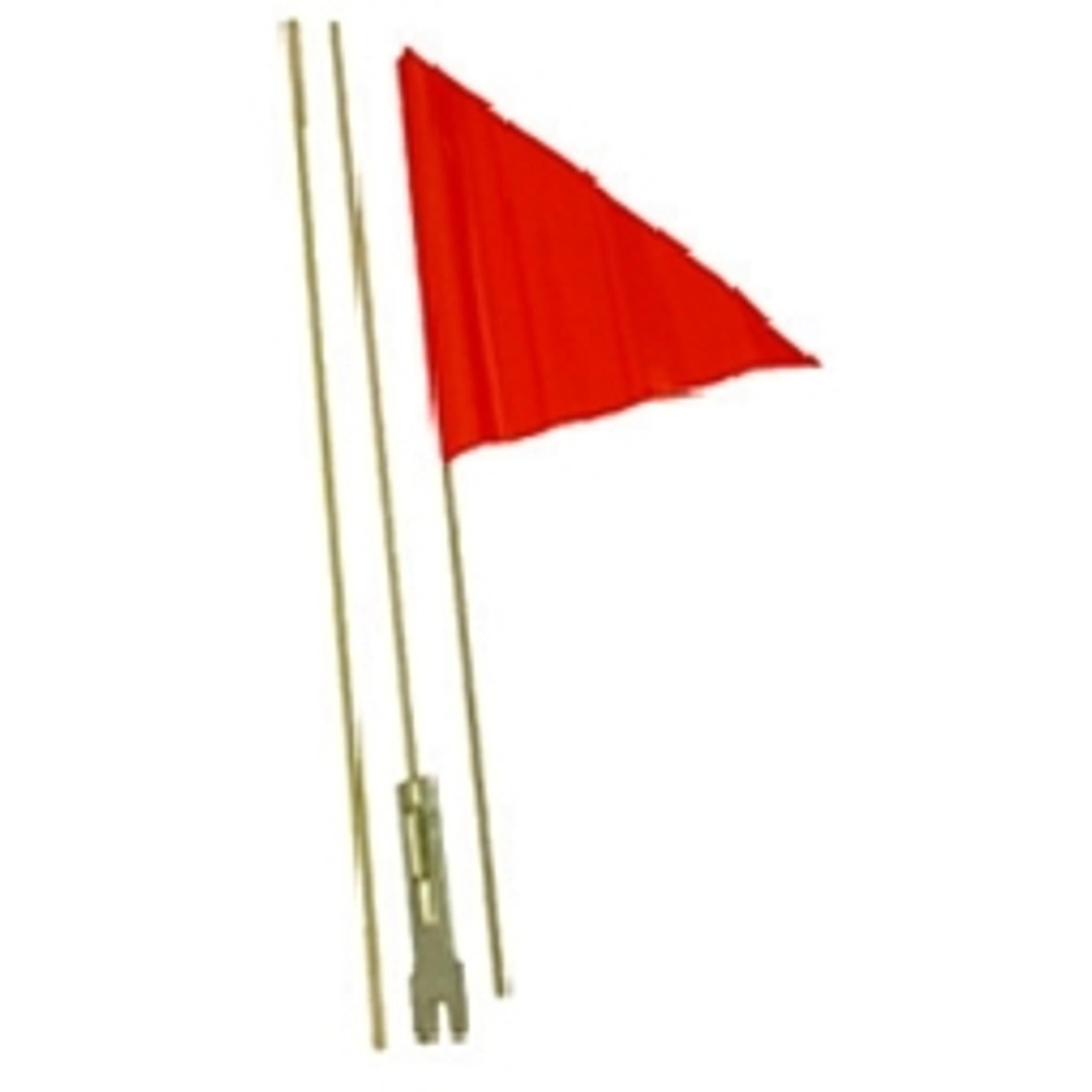
Hi Vis Safety Flag

Bikecorp

Hi Vis Safety Flag

Regular price $25.00 Full price
Sale price $25.00
Club price
Regular price $29.99 Full price
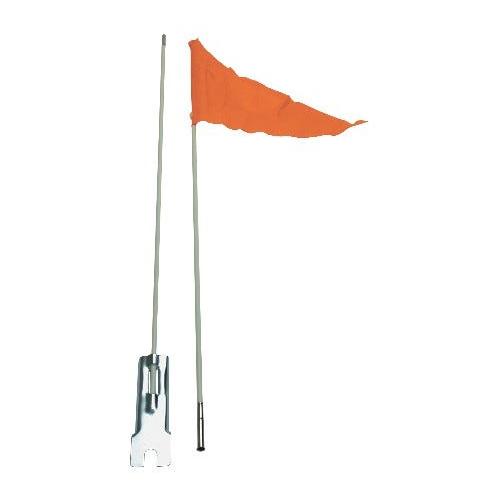
BPW Safety Flag 2pc 1.5m Length

BPW

BPW Safety Flag 2pc 1.5m Length

Regular price $25.00 Full price
Sale price $25.00
Club price
Regular price $29.00 Full price
Bikecorp One Piece Trailer Hitch Black

Bikecorp

Bikecorp One Piece Trailer Hitch Black

Regular price $27.00 Full price
Sale price $27.00
Club price
Regular price $29.99 Full price
16% Off Full Price
BPW Trailer Hitch For Rear Axle

BPW

BPW Trailer Hitch For Rear Axle

Regular price $25.00 Full price
Sale price $25.00
Club price
Regular price $29.99 Full price
32% Off Full Price Clearance
Hamax Pluto Dog Bed Medium Black

Hamax

Hamax Pluto Dog Bed Medium Black

Regular price $149.00 Full price
Sale price $149.00
Club price
Regular price $219.95 Full price

Find Your Size

Step 1: Measure your height

  • Take off your shoes
  • Stand with your back straight against a wall
  • Balance a book on your head to mark your height on the wall
  • Measure your height by the distance from the floor to the mark
cm

Find Your Size

Step 2: Adjust your inseam

  • Based on your height, we’ve calculated a starting point.
  • You can measure your inseam by tucking a book between your legs so there is pressure but it isn’t uncomfortable.
  • Inseam typically falls with 5cm of the average.
cm

Find Your Size

Your results

For the we suggest the following size.

More comfort More speed
Height: --
Inseam: --
Adjusted Height: --

Find Your Size

We have saved your measurements.

Recommended sizes will now be highlighted on the page.

Things to Consider When Shopping for Child Trailers: Age, Capacity, and How You Plan to Ride

When shopping for Child Trailers, the most important things to consider are the age and number of children you want to bring along, and how you plan to use the trailer day to day. Trailers designed for one child suit smaller families or solo adventures, while two-child options are ideal for siblings riding together. Enclosed trailers are a great all-weather choice, keeping little ones protected from sun, wind, and rain during family rides or commutes. Some models double as a stroller or jogger when detached from the bike, making them a versatile investment beyond cycling. For older children who want a more active role, tag-along trailers let kids pedal along behind you, bridging the gap between riding in a trailer and cycling independently. Think about storage, ease of attachment, and how often you plan to ride before making your decision.

Expert Advice

The E-Bike Accessories Starter Pack: Helmets, Locks, Audio & Essential Tech
Buying Guides

The E-Bike Accessories Starter Pack: Helmets, Locks, Audio & Essential Tech

So, you've made the leap and picked up a new e-bike. Whether you're zooming past gridlocked traffic on your daily commute or embarking on weekend adventures, electric bikes open up a world of speed, freedom, and effortless riding. Getting the most out of your ride isn't just about rolling off the shop floor—it's about gearing up with the right essentials. This guide covers exactly what to look for and why it matters more on an e-bike than a standard bike, from protecting your head at higher speeds to keeping your investment secure outside the coffee shop. In Summary A helmet with rotational impact protection (MIPS, KinetiCore or equivalent) matters more on an e-bike, since higher sustained speeds mean more angled impacts. E-bikes are heavier and more expensive than standard bikes, so match your lock to where you actually park, not just your budget. A rear radar and daylight-visible lights genuinely help at e-bike speeds, since drivers have less time to react as your closing speed increases. A bike computer that tracks battery range is worth having—running low on charge mid-ride changes your options in a way it never does on a standard bike. Open-ear headphones let you stay aware of traffic, which matters even more when you're moving faster. E-bikes are heavier and often run higher tyre pressures, so a pump rated for the job is worth having on hand. In This Article At a Glance: Our Top Picks What to Consider When Gearing Up 1. Head Protection 2. E-Bike Security 3. Smart Visibility & Safety Tech 4. Navigation & Ride Tracking 5. On-the-Move Audio 6. Tyre Top-Ups Recommended products At a Glance: Our Top Picks Best For... Our Pick: Key Highlight: Safety & Head Protection Fox Speedframe Solid MIPS Helmet Advanced MIPS rotational protection, dial-fit system, and optimal airflow. Convenient Security Magnum X2P U-Lock + Cable Heavy-duty hardened steel U-lock bundled with a cable for securing both wheels. Rearward Awareness Garmin Varia RTL515 Radar with Tail-light Detects vehicles up to 140m behind with high-visibility daylight tail light. Navigation & Tracking Garmin Edge 850 GPS Bike Computer Premium touchscreen GPS with bike-specific turn-by-turn routing. On-the-Move Audio Shokz OpenRun Pro 2 Bluetooth Open-Ear Headphones Open-ear, bone-conduction design keeps your ears unblocked so you can hear traffic while you ride. Tyre Top-Ups Topeak E-Booster Digital Electric Bike Tyre Pump Digital, rechargeable pump built to handle higher e-bike tyre pressures with zero pumping effort. What to Consider When Gearing Up An e-bike's extra speed and weight change what actually matters in your gear—here's why each of these is worth prioritising. 1. Head Protection Because e-bikes effortlessly sustain higher cruising speeds than standard bicycles, head protection matters more here than on a regular bike. Most crash impacts aren't perfectly straight-on—they come in at an angle, creating rotational forces that a standard foam liner doesn't fully absorb. A helmet with rotational impact protection (MIPS, KinetiCore or an equivalent system) is a genuine upgrade over one without, and it's worth prioritising given how much more ground you cover at speed. What to Look For: Rotational impact protection (such as MIPS or Kineticore), extended coverage around the sides and back of the head, a dial-fit retention system, and deep ventilation channels. Popular Styles & Options: Lightweight urban commuter helmets with integrated visors and rear light mounts, or versatile mountain bike helmets offering maximum ventilation and deeper coverage. Explore the Range: Browse our complete range of e-bike ready bicycle helmets to find the ideal fit. 2. E-Bike Security Electric bikes represent a significant investment, and the extra motor and battery weight makes them a bigger target than a standard bike in the eyes of an opportunistic thief. Choosing security that matches your actual parking environment—not just your budget—is what genuinely reduces your risk. What to Look For: Match your lock style to your risk level. Hardened steel shackles suit high-risk city parking, while thick braided steel cables offer quicker, more convenient protection for short coffee stops and errands. Popular Styles & Options: Heavy-duty U-Locks (D-Locks) for maximum leverage resistance, flexible folding locks for compact frame mounting, or high-convenience cable locks for quick multi-wheel locking. Explore the Range: Check out our full selection of bike locks and security accessories, or add an extra layer of protection with a bike tracker that helps you locate your e-bike if it's ever moved or stolen. 3. Smart Visibility & Safety Tech E-bikes mix with urban traffic at higher speeds than a standard bike, which means the closing speed between you and an approaching vehicle is greater—giving a driver less time to react if they haven't spotted you. Genuine visibility and awareness tech matters more here, not less. What to Look For: High-lumen headlights for night riding, daylight-visible flashing rear lights, and smart rearview radar sensors that detect approaching vehicles behind you. Popular Styles & Options: Powerful front headlights for path illumination, high-visibility rear tail lights, or complete front and rear light sets. Explore the Range: Browse our broad collection of rechargeable bike lights and safety tech. 4. Navigation & Ride Tracking A dedicated handlebar display earns its keep on an e-bike in a way it doesn't on a standard bike—running low on battery mid-route genuinely changes your options, so tracking remaining range alongside your navigation and fitness metrics is worth having front and centre. What to Look For: A clear outdoor display, turn-by-turn map navigation, long battery endurance, and seamless smartphone sync. Popular Styles & Options: Full-featured GPS cycling computers with turn-by-turn map routing, or simple wireless cyclocomputers focused purely on speed, distance, and trip time. Explore the Range: See all available options in our cycling computers and GPS technology range. 5. On-the-Move Audio Whether it's music on your commute or turn-by-turn cues on a longer ride, the right pair of headphones lets you stay connected without tuning out the road—especially important at the higher speeds an e-bike can reach. What to Look For: Open-ear or bone-conduction designs that leave your ear canal free, so you can still hear traffic and pedestrians, along with sweat resistance and a secure, stay-put fit for bumpy rides. Popular Styles & Options: Open-ear, bone-conduction headphones for maximum road awareness, which often feature a band that sits around the back of your neck.  If you prefer a lower profile fit, there are also true wireless open-ear earbuds which have separate Left/Ri.ght ear buds Explore the Range: Browse our full range of cycling-friendly headphones to find your fit. 6. Tyre Top-Ups E-bikes are heavier than standard bicycles and often run at higher tyre pressures, so keeping on top of your tyre pressure matters more than ever—both for ride comfort and for protecting your wheels and motor from unnecessary strain. What to Look For: A pump rated for higher pressures if you're topping up e-bike tyres, an accurate gauge so you're not over or under-inflating, and a form factor that matches how you'll use it—compact for on-the-go top-ups, or sturdy and fast for use at home. Popular Styles & Options: Take the effort out of it with a rechargeable electric bike pump for quick, tool-free top-ups on the go, or keep a reliable floor pump at home for regular maintenance. Explore the Range: Browse our complete range of bike pumps and inflation accessories to find the right fit for home or on the go.

Sep 22, 2026
Read More
Bike Locks Buying Guide

Bike Locks Buying Guide

A cyclist's best friend is a trusty bike lock. With so many options on the market, choosing the right one can feel overwhelming. This guide will break down the different types of bike locks, their features, and help you make an informed decision to keep your beloved bike safe and sound. Why You Need a Bike Lock The primary purpose of a bike lock is to deter theft. A good lock makes your bike a less attractive target, forcing thieves to either give up or spend more time and effort trying to steal it, which increases their risk of being caught. Investing in a quality lock provides peace of mind, allowing you to leave your bike unattended without constant worry. Types of Bike Locks U-Lock / D-Lock U-locks, also known as D-locks, are a popular choice for their high level of security. They consist of a rigid U-shaped shackle that locks into a crossbar. Their hardened steel construction makes them resistant to cutting and leverage attacks. U-locks are ideal for securing your bike frame to a fixed object like a bike rack or pole. Folding Lock Folding locks offer a great balance of security and portability. They are made of a series of steel plates connected by rivets, allowing them to be folded into a compact size for easy transport. While generally not as secure as a high-quality U-lock, they provide more flexibility for locking your bike to various objects. Chain Lock A chain lock consists of a heavy-duty chain and a separate padlock. Their flexibility allows you to secure your bike to a wide range of objects, and they are a formidable deterrent against cutting attacks. However, their weight can make them less convenient to carry around. Look for chains with hexagonal or trapezoidal links for added security. Cable Lock Cable locks are the lightest and most portable option, but they offer the least amount of security. They are best used as a secondary lock to secure your wheels or accessories, or for very short stops in low-risk areas. Even thick cable locks can be easily cut with bolt cutters. Additional Security Features Smart Trackers In the unfortunate event your bike is stolen, a smart tracker can be a lifesaver. These small devices can be hidden on your bike and use in-built GPS or other technologies like an Apple AirTag (sold separatey) to track its location, significantly increasing the chances of recovery. Alarms Some bike locks now come with built-in alarms. These motion-sensitive devices will emit a loud siren if your bike is tampered with, drawing attention to the thief and scaring them off. Locking Mechanism - Combo vs. Key Locks Combination Locks  Combination locks offer the convenience of not having to carry a key. You can set your own personal code, making them easy to use and share. However, they are generally considered less secure than key locks and can be more susceptible to being decoded by a skilled thief. Key Locks  Key locks provide a higher level of security, with complex key designs that are difficult to pick. They are the preferred choice for high-risk areas or for securing expensive bikes. The only downside is the need to carry a key, which can be lost or forgotten. Conclusion Choosing the right bike lock depends on your individual needs and risk factors. For the highest level of security, a U-lock or a heavy-duty chain lock is your best bet. A folding lock is a great option for those who prioritize portability. Cable locks should only be used as a secondary deterrent. Consider adding a smart tracker or an alarm for an extra layer of protection. And when it comes to locking mechanisms, a key lock will almost always be more secure than a combination lock. By understanding the different types of locks and their features, you can select the perfect one to keep your bike safe and give you the freedom to ride without worry.

Apr 20, 2026
Read More
Bike Lights Buying Guide

Bike Lights Buying Guide

Your Ultimate Guide to Choosing the Perfect Bike Lights Whether you're a daily commuter, a weekend road warrior, or a trail-shredding mountain biker, having the right set of bike lights is crucial for your safety. Not only do they illuminate your path in low-light conditions, but they also make you visible to other road users. With a bewildering array of options on the market, choosing the right lights can be a daunting task. This guide will shine a light on the key features to consider and help you find the perfect set for your needs. "To See" vs. "To Be Seen": Understanding the Basics Bike lights generally fall into two categories: "To See" Lights: These are powerful front lights designed to illuminate the path ahead of you, allowing you to see potholes, debris, and other obstacles on dark roads or trails. "To Be Seen" Lights: These lights are designed to make you visible to other road users. They include both front and rear lights and are essential for riding in any light conditions, including during the day. Key Features to Consider When shopping for bike lights, keep these key features in mind: Brightness (Lumens): The brightness of a bike light is measured in lumens. The higher the lumen count, the brighter the light. The number of lumens you need depends on your riding environment: Well-lit urban areas (being seen): 100-500 lumens for a front light is sufficient. Dark suburban roads or unlit bike paths (seeing): 500-1200 lumens for a front light is recommended. Off-road or trail riding (seeing in complete darkness): 1200+ lumens is ideal. Rear lights typically have a lower lumen output, with anything from 20 to 300 lumens being effective for visibility. Beam Pattern: The beam pattern affects how the light is distributed. Narrow/Spot Beam: Concentrates the light in a small area, which is great for seeing far down the road at high speeds. Wide/Flood Beam: Spreads the light over a larger area, improving peripheral vision, which is useful for navigating technical trails. Combination Beam: Many lights offer a combination of spot and flood beams, providing a versatile option for various riding conditions. Battery Life and Charging: USB Rechargeable: Most modern bike lights are USB rechargeable, which is convenient and cost-effective. Check the charging time and make sure it fits your lifestyle. Disposable Batteries: Some cheaper lights still use disposable batteries. These can be a good backup option, but they are less environmentally friendly and can be costly in the long run. Run Time: Pay close attention to the claimed run time for different light modes. A light's run time on its brightest setting will be significantly shorter than on a flashing or lower-power mode. Mounting Options: Your lights should be easy to mount and secure on your bike. Handlebar and Seatpost Mounts: These are the most common mounting locations. Look for sturdy, tool-free mounts that are easy to use. Helmet Mounts: A helmet-mounted light is a great addition for mountain bikers as it allows you to direct the light where you are looking, especially around corners. Other Mounts: Some lights can be mounted on racks, bags, or clothing for added visibility. Durability and Weather Resistance: If you ride in all weather conditions, look for lights with a good level of water resistance. The IP rating (Ingress Protection) indicates how well a light is protected against dust and water. An IPX4 rating is sufficient for rain, while an IPX7 rating means the light can be submerged in water. Matching Lights to Your Riding Style Urban Commuting: For city riding, the priority is being seen by motorists, pedestrians, and other cyclists. A front light of 100-500 lumens with a flashing mode and a bright rear flasher (20-100 lumens) is a good setup. Road Cycling: If you're riding on unlit roads, you'll need a more powerful front light to see the road ahead. A front light of 500-1200 lumens or more, paired with a bright rear light, will keep you safe. Mountain Biking: For trail riding at night, you'll need a powerful lighting system to navigate technical terrain. A combination of a bright handlebar-mounted light (1200+ lumens) and a helmet-mounted light for looking through turns is the ideal setup. Conclusion Investing in a good set of bike lights is one of the most important things you can do to improve your safety on the road or trail. By considering your riding style and the key features outlined in this guide, you can choose a lighting system that will keep you visible and illuminate your way, no matter where or when you ride. Ride safe!

Oct 8, 2025
Read More