Thinking about riding to work instead of driving? Before you buy, there's a more fundamental question than which brand or which colour: should you get an e-bike, or a regular pedal bike?
Both can absolutely get you there. But they suit different commutes and different fitness levels. This guide compares them honestly, then walks through what to look for in either one and the different types available, so you can choose based on your actual commute rather than which one looks cooler in the shop window.
In Summary
- A regular bike keeps things simple and gives you a built-in workout; an e-bike takes the edge off hills and longer distances.
- E-bikes are legally treated as standard bicycles nationwide: no licence or registration required, provided they meet the national standard.
- Step-through frames suit frequent stops and riding in work clothes; step-over frames are lighter and stiffer.
- Hub-drive motors are simpler and cheaper; mid-drive motors climb better but cost more.
- E-bike batteries are lithium-ion, so a few sensible charging habits go a long way.
- A helmet is a legal requirement either way, and budget for the extras too: a lock, lights, and weather-appropriate gear.
In This Article
- What Counts as an E-Bike vs a Pedal Bike?
- E-Bike vs Regular Bike: How They Actually Compare
- At a Glance: Our Top Picks
- What to Consider When Choosing Your Setup
- Common Types: Regular Bikes & E-Bikes
- Battery Care Basics
- Essential Gear for Your Commute
- So, Which Should You Choose?
- Our Recommended Picks
What Counts as an E-Bike vs a Pedal Bike?
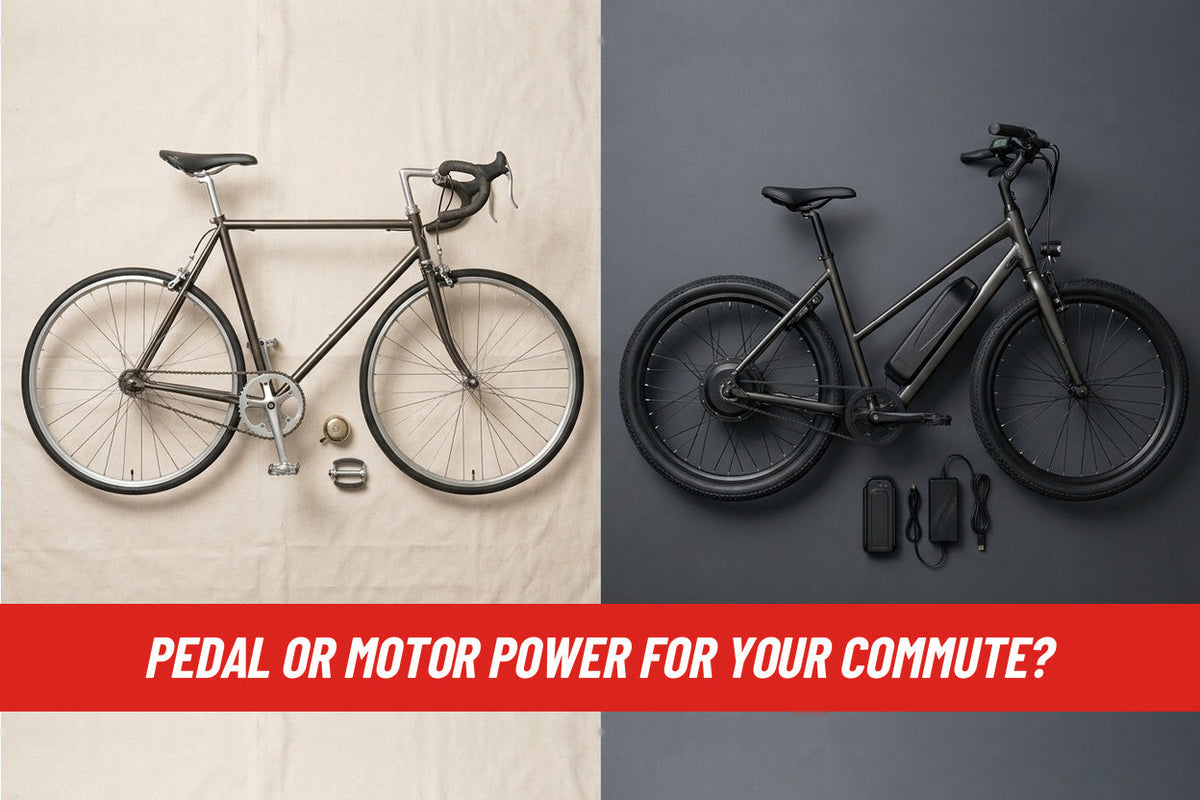
A pedal bike (also called a regular or standard bike) is entirely human-powered: there's no motor or battery involved at all. Every bit of forward motion comes from your own pedalling.
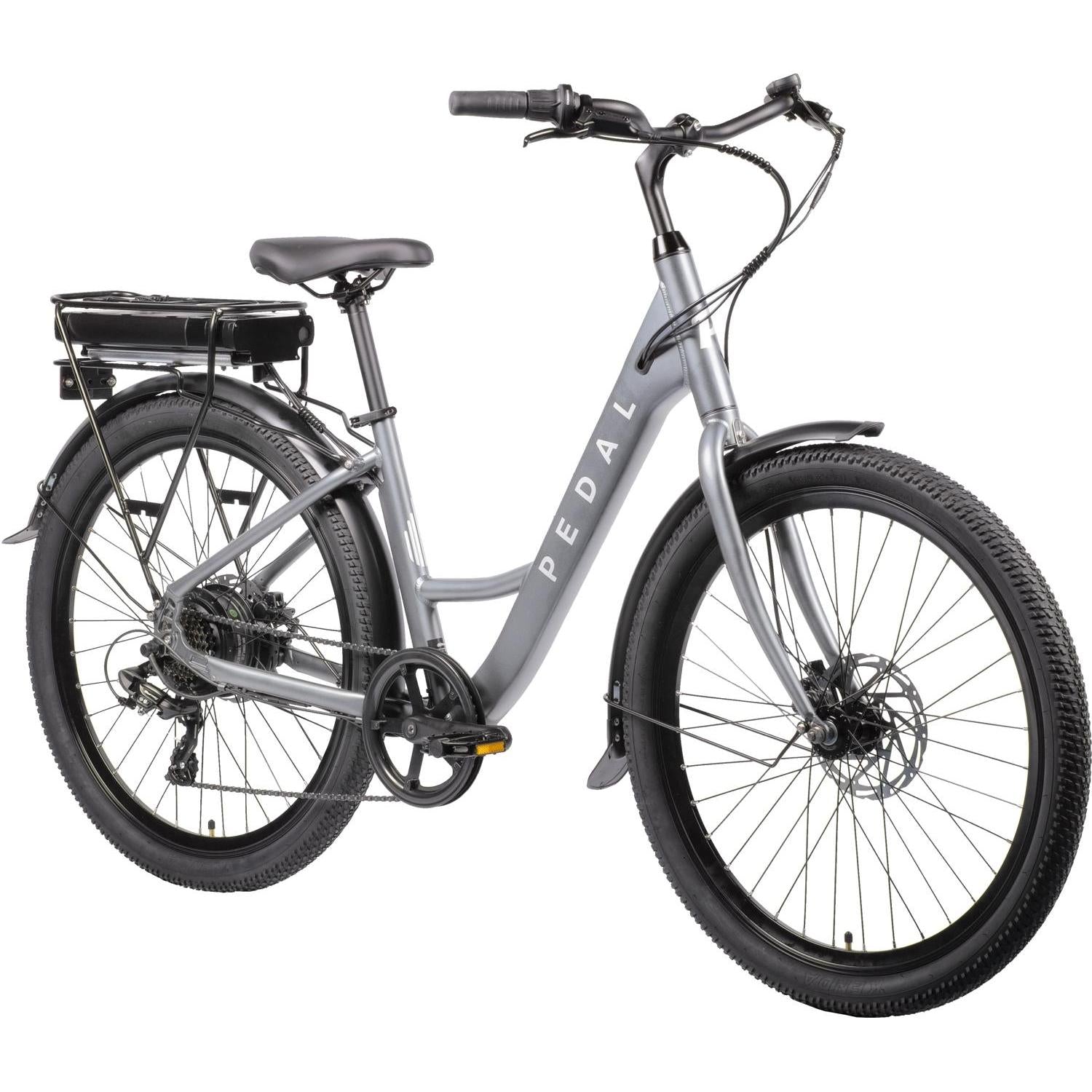
An e-bike looks and rides much like a regular bike, but has a small electric motor and battery that assist your pedalling. In Australia, the e-bikes sold for everyday commuting are "pedal-assist," meaning the motor only provides help while you're pedalling and cuts out once you reach 25km/h: it doesn't propel the bike on its own like a scooter or motorbike would. Motor output is capped at 250W of continuous power. Bikes that meet this standard are legally treated the same as a regular bicycle in every Australian state and territory: no license, registration, or special permit required, though normal bicycle road rules (including helmet laws) still apply. See the Australian Government's importer's guide to electric bikes for the full national standard.
E-Bike vs Regular Bike: How They Actually Compare
| Factor | E-Bike | Regular Bike |
|---|---|---|
| Physical Effort | Pedal-assist motor takes the edge off hills and headwinds, so you arrive without breaking a sweat. | All the effort is yours, a great built-in workout, but a real factor on hot days or steep routes. |
| Commute Distance | Motor assistance makes longer commutes genuinely comfortable, often 15-40km round trips. | Best suited to shorter commutes, typically under 15km, unless you're already a confident rider. |
| Keeping Pace with Traffic | Motor assistance helps you match the flow of city traffic more easily, even from a standing start. | Keeping pace at lights and intersections relies more on your own fitness and technique. |
| Weight & Handling | Heavier due to the motor and battery, which can matter if you need to carry it up stairs. | Lighter and easier to lift, carry, or manoeuvre in tight spaces. |
| Multi-Stop Commutes | Extra stops for errands or school drop-offs barely register with a motor doing some of the work. | Multiple stops add up in physical effort, especially if you're carrying extra weight along the way. |
| Arriving Fresh | Ideal if you need to arrive at work without being sweaty, especially in warmer months. | Requires more physical exertion, worth considering if you don't have a chance to freshen up. |
At a Glance: Our Top Picks
| Best For... | Our Pick: | Key Highlight: |
|---|---|---|
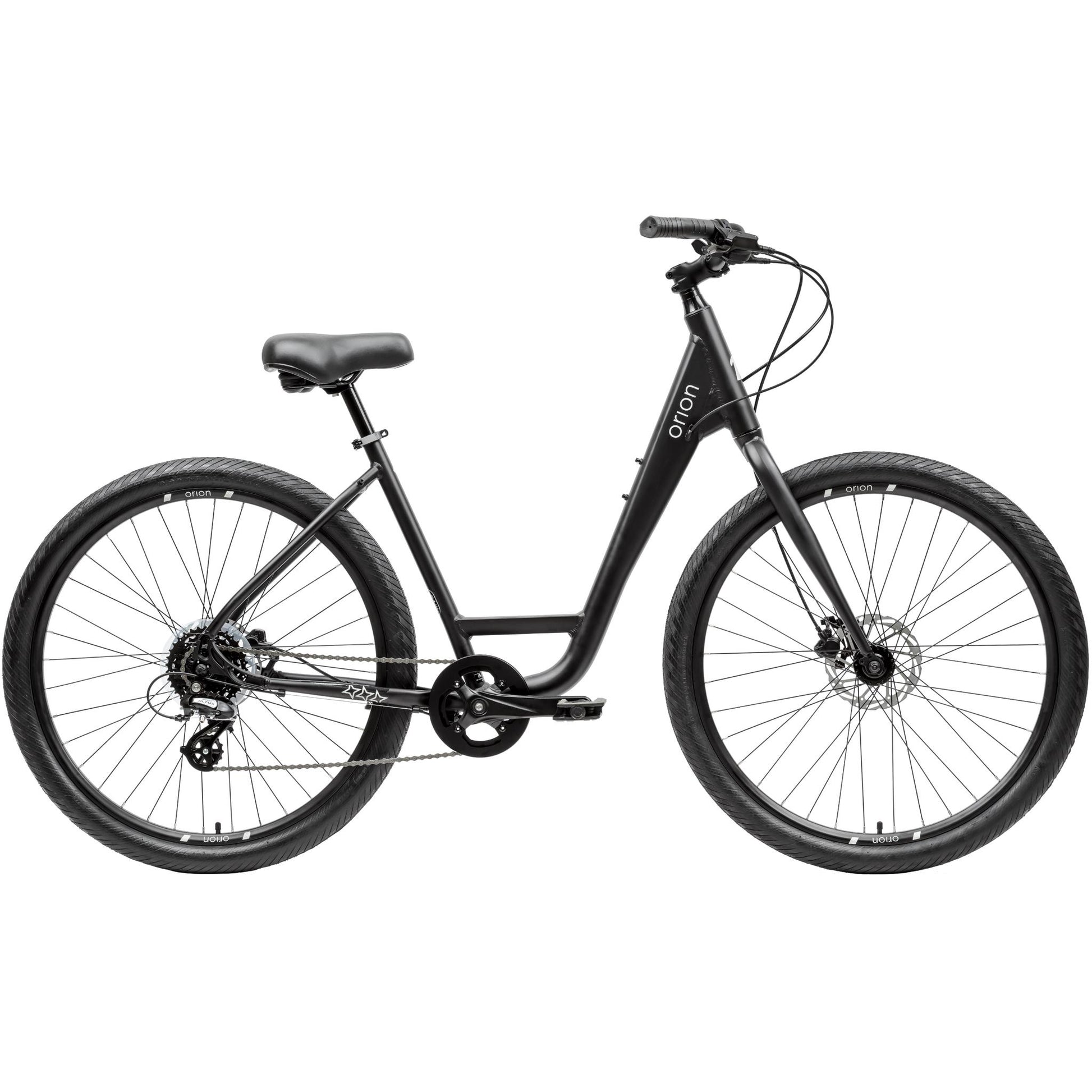
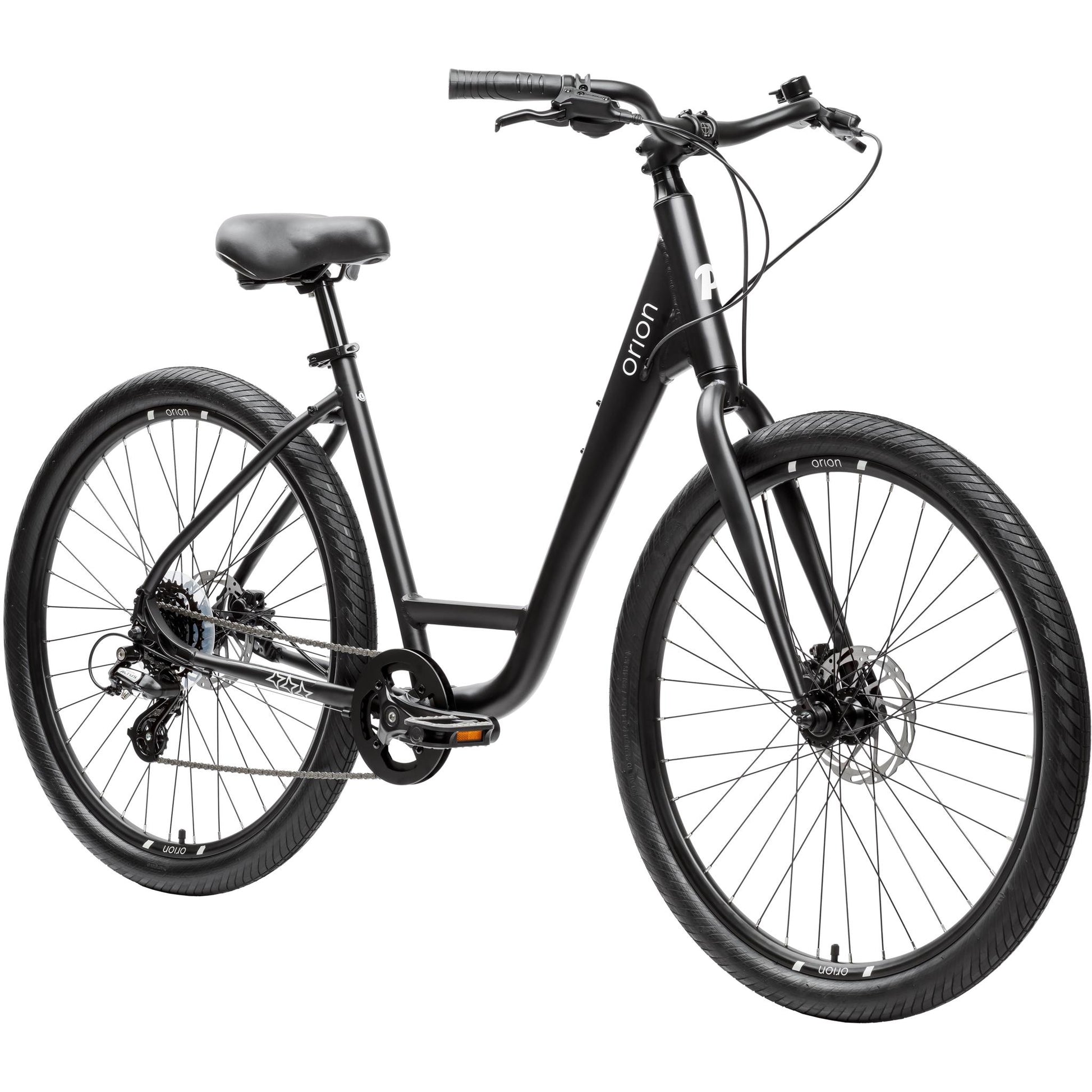
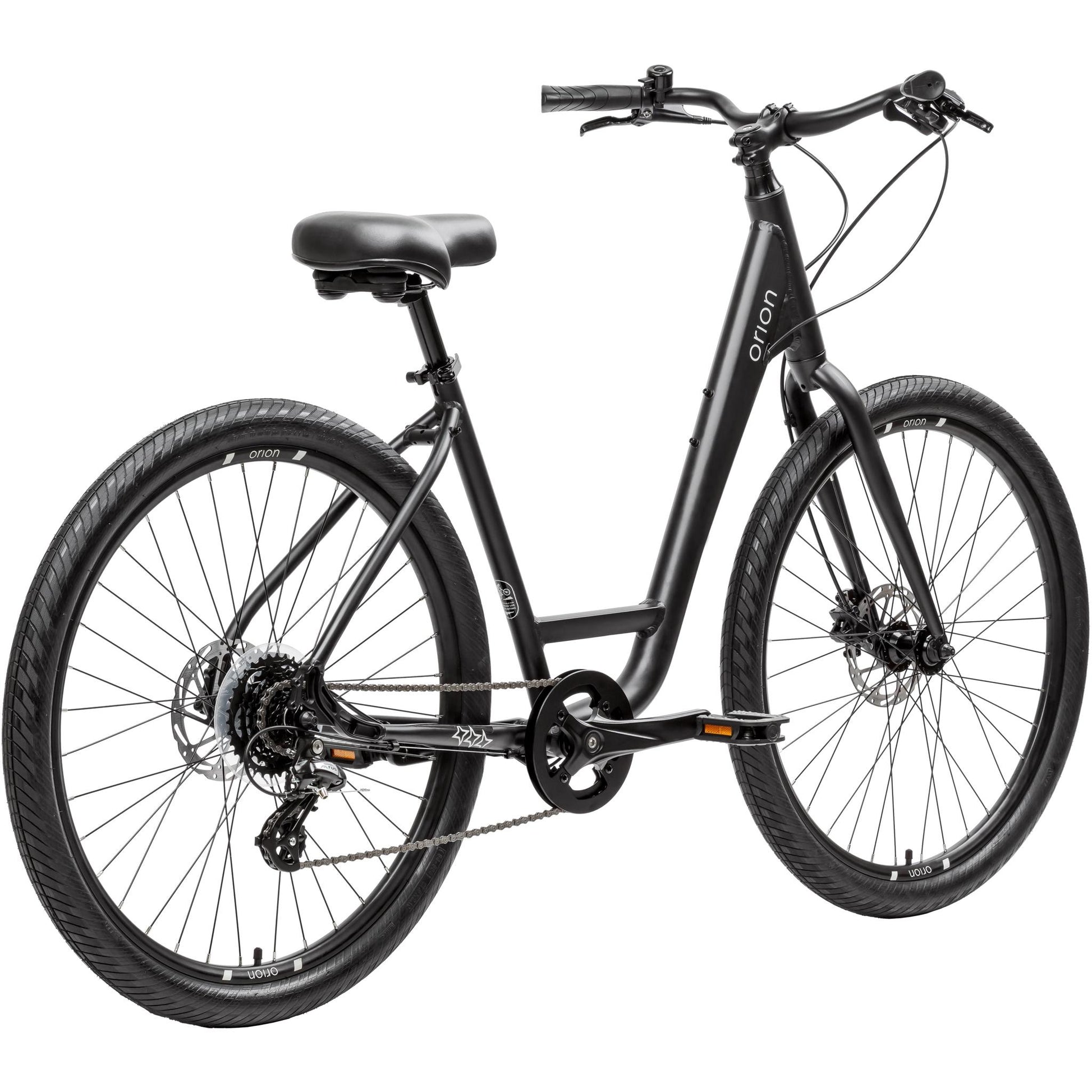
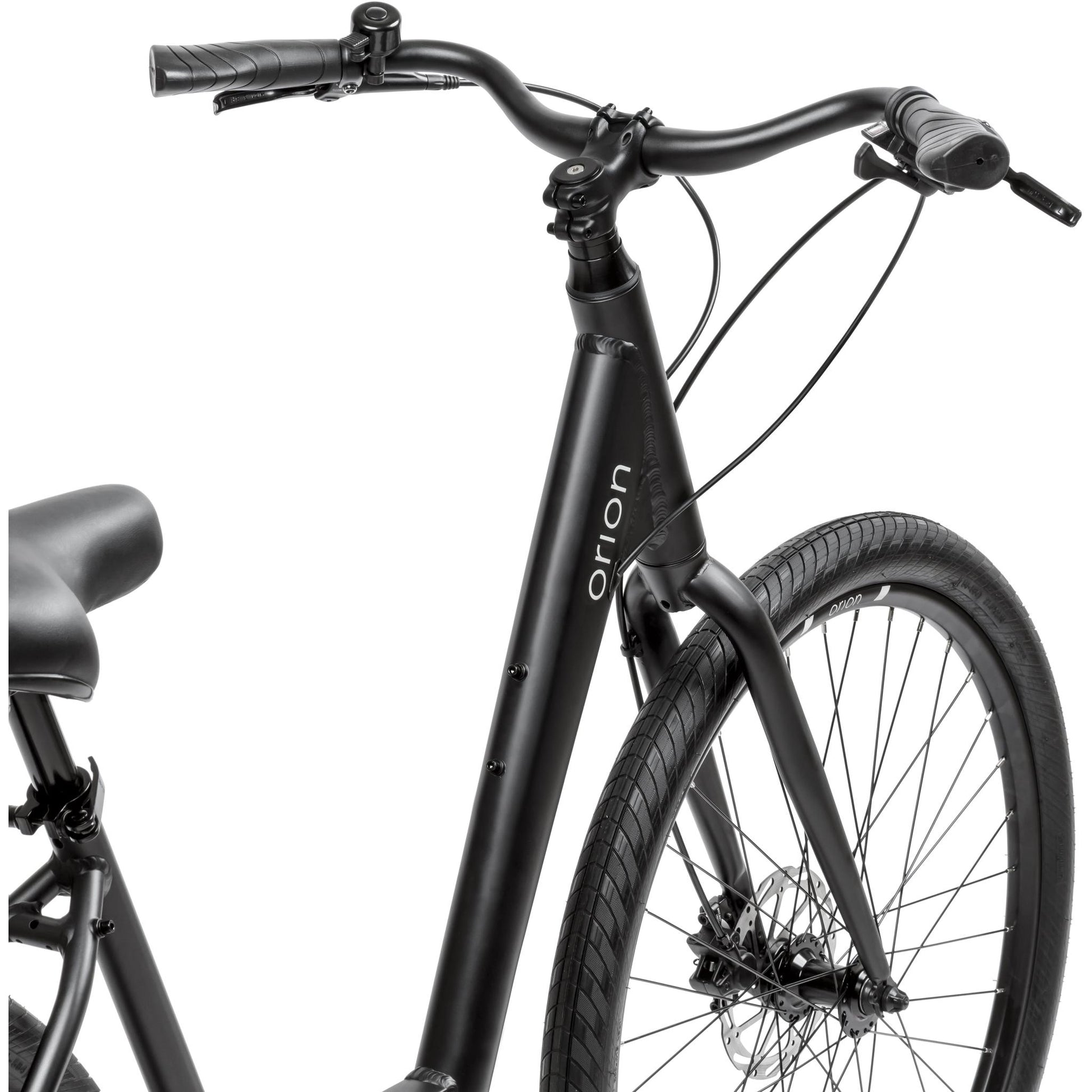
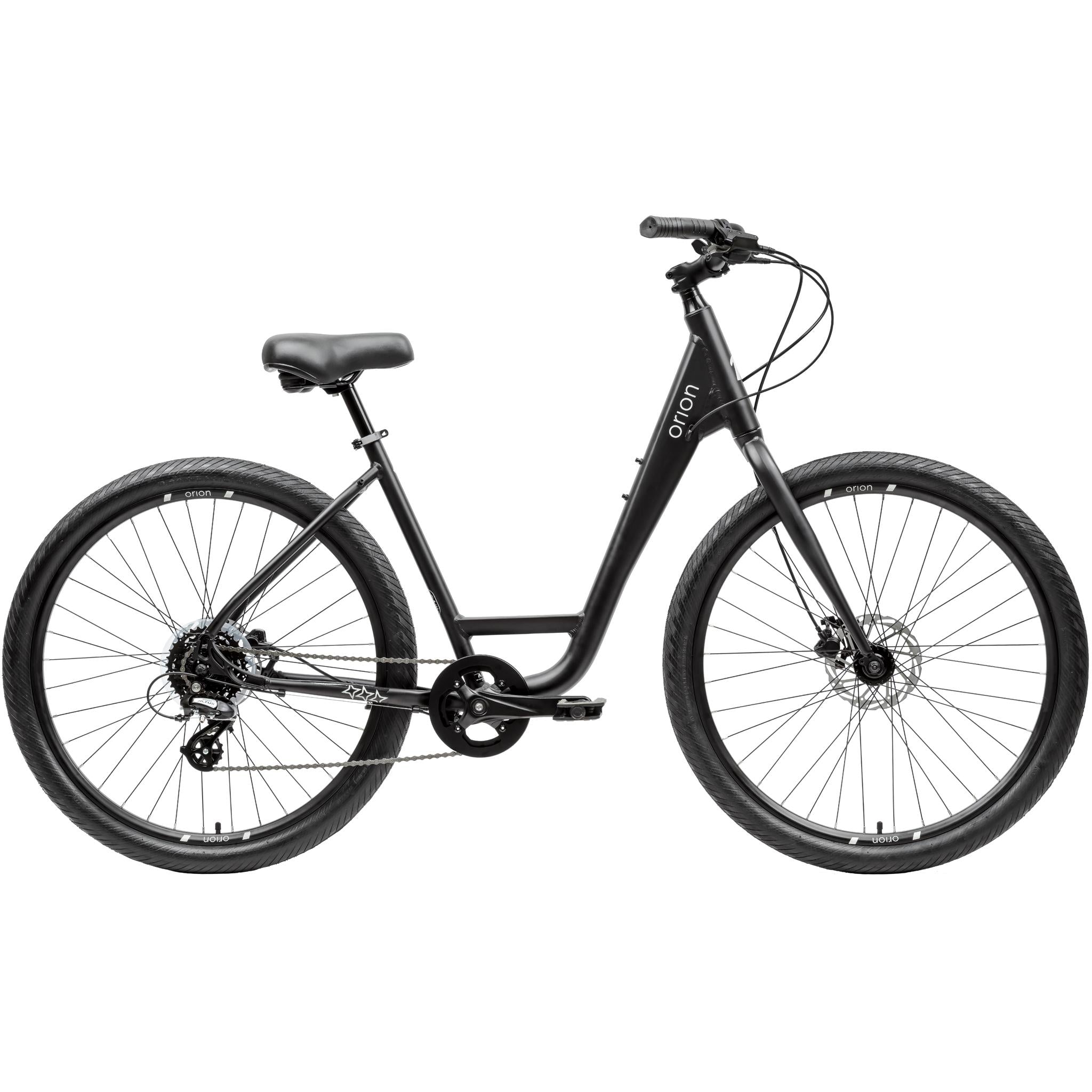
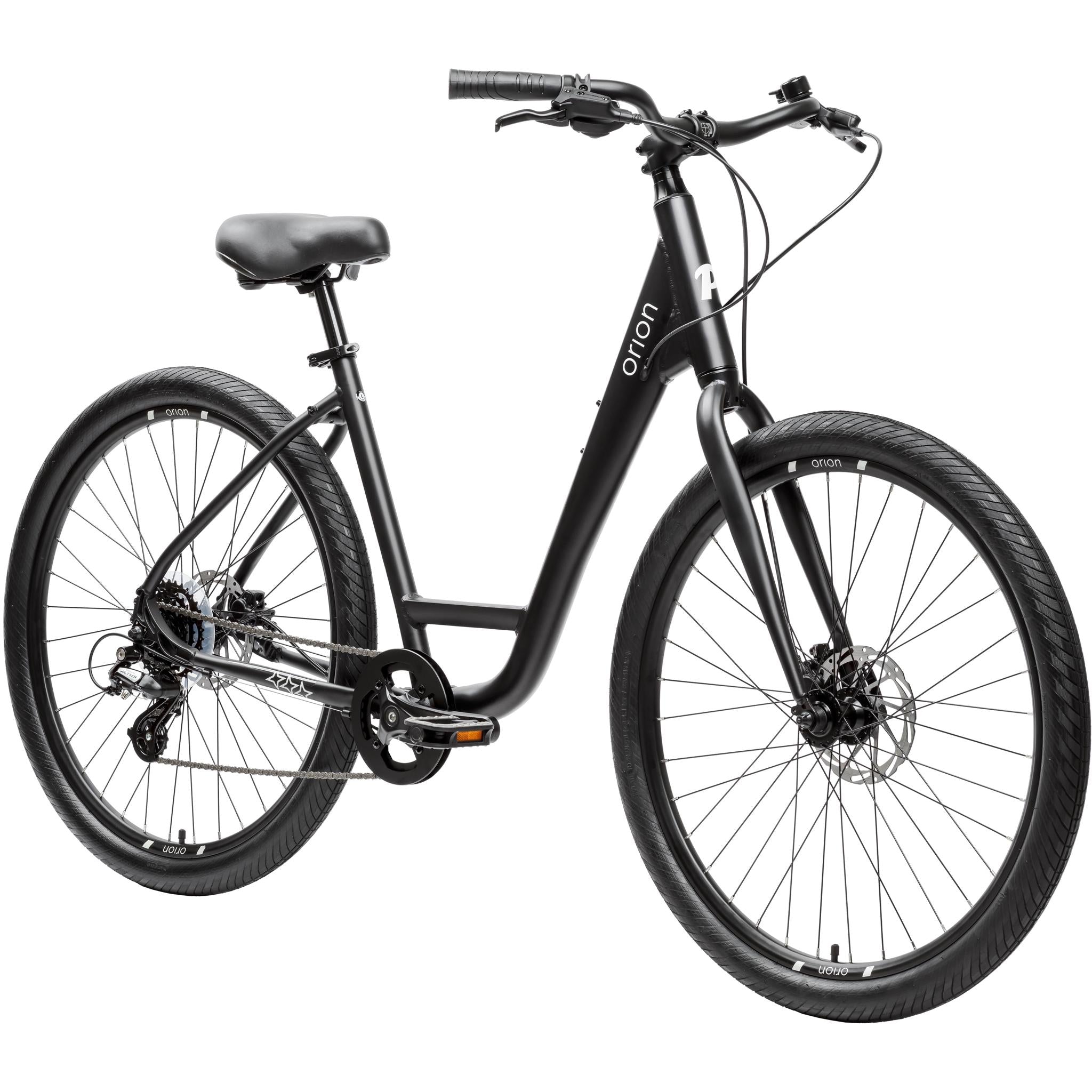
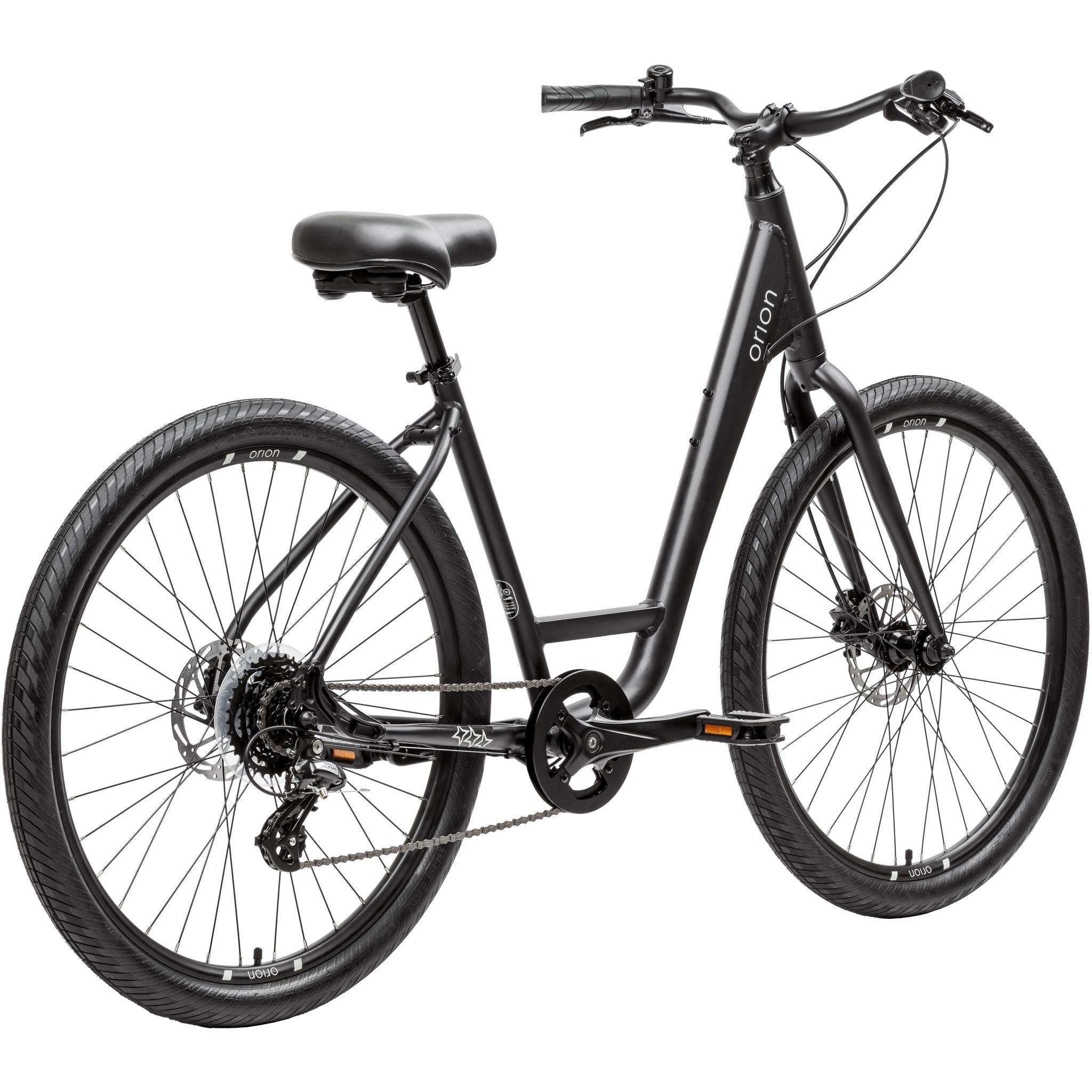
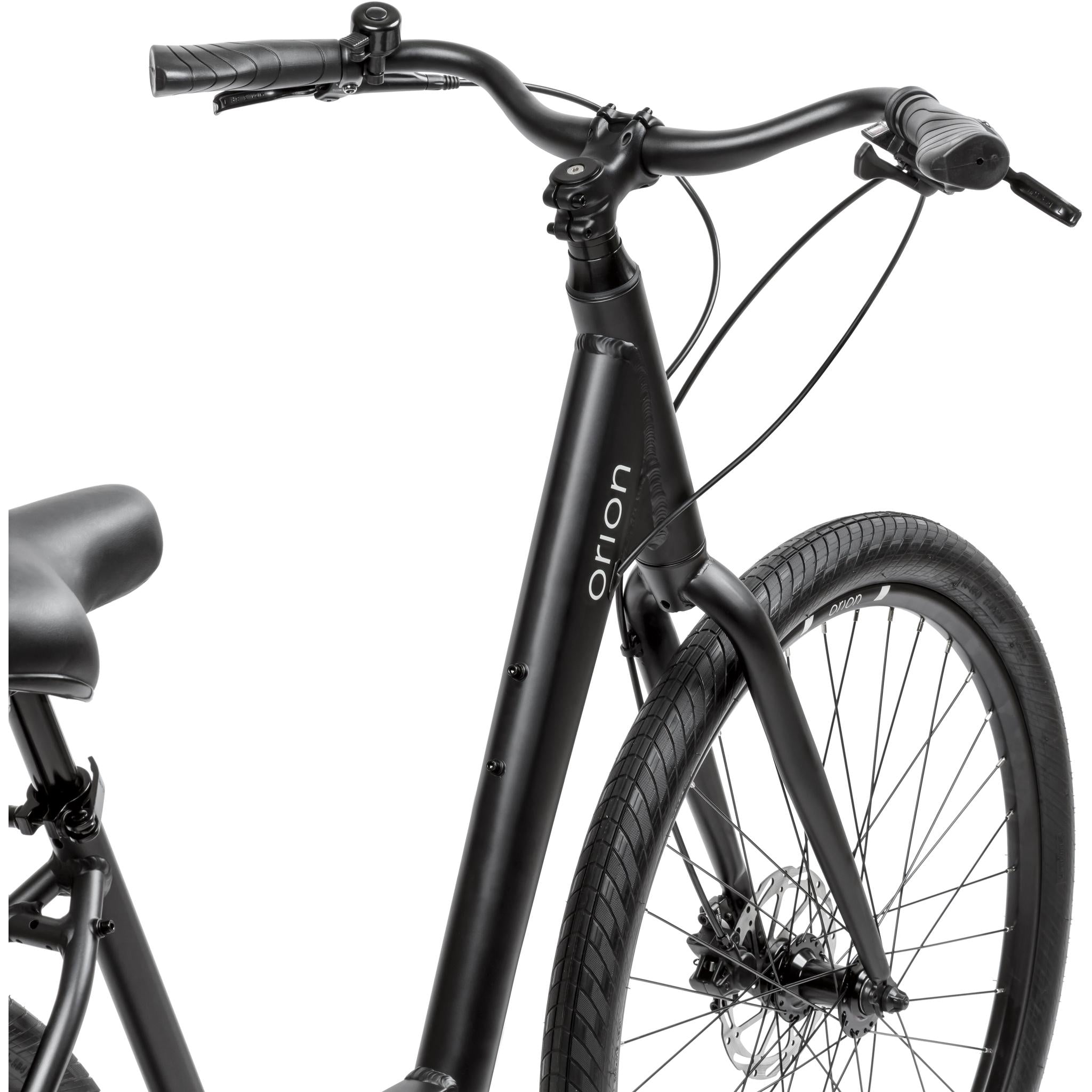
| Pedal Power: Everyday Commuter | Pedal Orion 2 Hydro Cruiser Bike | Our best-selling regular commuter bike, with hydraulic disc brakes and a relaxed, upright riding position. |
| Pedal Power: Sport Commuter | Merida Crossway 20 Hybrid Bike | A step up in componentry and ride quality for commuters wanting a sportier, faster feel. |
| Motor Power: Everyday Commuter | Pedal Comet 3 Disc Electric Hybrid Bike | One of our best-selling e-bikes, with reliable disc brakes and a smooth, dependable hub-drive motor. |
| Motor Power: Long-Distance Commuter | Merida eSpresso CC 300 EQ SE | A rugged, fully equipped commuter with semi-knobby tyres and integrated Shimano E-system power. |
| Whichever You Choose | Moon Rigel Pro & Helix Sense Light Set | Our best-selling light set: essential for visibility whether you're riding electric or regular. |
What to Consider When Choosing Your Setup
Whichever direction you're leaning, it helps to understand what actually separates a good commuter bike from a great one. Here's what to look for.
1. Motor Type: Hub Drive vs Mid-Drive (E-Bike Only)
- Hub Drive: The motor sits in the wheel, making it a simpler and generally more affordable system, well suited to flatter commutes and everyday riding. It doesn't perform quite as smoothly on steep or repeated climbs as a mid-drive system.
- Mid-Drive: The motor sits near the pedals, giving a more natural ride feel and stronger performance on hills. It's usually the pricier option, but it's the better choice if your commute includes any serious climbing.
2. Frame Style: Step-Through vs Step-Over (Both)
The frame is the heart of the bike, and this choice applies whether you're looking at an e-bike or a regular bike.
- Step-Through: A low, swooping frame that makes getting on and off easy, especially useful if you're commuting in work clothes or stopping and starting frequently. It's not usually the choice for riders prioritising the stiffest, most efficient frame for speed.
- Step-Over (Crossbar): The traditional frame shape, generally a little lighter and stiffer than a step-through design. It requires swinging a leg over the saddle to mount, which some riders find less convenient for frequent stops.
3. Battery & Range (E-Bike Only)
Battery capacity is measured in watt-hours (Wh): the higher the number, the further you can ride before needing a charge. Real-world range depends heavily on rider weight, terrain, and how much you lean on the higher assist settings, so treat any advertised range figure as a best-case number. If your round trip is on the longer side, it's worth choosing a battery with some buffer above your actual daily distance.
4. Gearing: How Many Gears Do You Need? (Both)
More gears aren't always better. The key is having the right range for your local terrain.
- Simpler Gearing: A single chainring at the front means only one shifter to worry about, offering simplicity and lower maintenance. It's best suited to flatter commutes, and less capable if your route includes steep or sustained climbs.
- Wider Gear Range: More gears at the front and back give a much broader range for tackling hills. This setup makes climbing more manageable, though it does add a little extra weight and maintenance compared to a simpler system.
5. Brakes: Disc vs Rim (Both)
Your brakes are your most important safety feature.
- Rim Brakes: The traditional option, where brake pads squeeze against the wheel rim. They're simple, lightweight, and easy to service, but lose some effectiveness in wet weather.
- Disc Brakes: Offer significantly more powerful and consistent stopping power in all conditions, a real advantage in an unexpected downpour. This is especially worth prioritising on an e-bike, since the added weight of the motor and battery puts more demand on your brakes.
6. Suspension: Yes or No? (Both)
- Suspension Fork: Absorbs bumps from potholes and uneven surfaces, giving a smoother, more comfortable ride if your commute includes rougher paths or light gravel sections.
- Rigid Fork: Lighter and more efficient on smooth pavement, with virtually no maintenance required. It's the more practical choice if you're mostly sticking to well-maintained roads and bike paths.
7. Wheels and Tyres (Both)
Commuter bikes typically use 700c wheels, which roll quickly and efficiently on pavement. Tyre width is a genuine trade-off: a wider tyre offers more comfort and grip on rougher surfaces, while a narrower tyre is generally faster and lighter on smooth roads. If you're not sure which you'll need, a slightly wider tyre is the safer, more comfortable default for everyday riding.
Common Types: Regular Bikes & E-Bikes
Beyond individual features, it helps to understand the different types available and which one actually matches how you plan to ride.
Comfort-Focused Cruiser Bike: A regular bike with a relaxed, upright frame, a wide comfortable saddle, and often swept-back handlebars, prioritising comfort over speed. Suits riders wanting a relaxed commute and the lowest-maintenance option, not built for riders wanting to cover ground quickly.
Sport Hybrid Bike: A regular bike with a more forward-leaning riding position, a lighter frame, and narrower tyres, blending road-bike efficiency with everyday practicality. Trades some comfort for a more efficient, road-ready feel, better suited to confident riders wanting a faster commute, though it's a less relaxed ride over very long distances.
Hub-Drive E-Bike: An e-bike with its motor built into the wheel hub, usually the rear wheel, rather than at the pedals. Suits flatter, everyday commutes where simplicity and a lower price matter most.
Mid-Drive E-Bike: An e-bike with its motor mounted at the pedals, driving the chain directly rather than the wheel. With a larger battery and more rugged components, it's the better choice for longer or hillier commutes, though generally not the most cost-effective option if your commute is short and flat, where a simpler hub-drive setup would do the job just as well.
Battery Care Basics
Like any lithium-ion battery-powered device (laptops, power tools, phones), e-bikes are happiest when charged and stored sensibly. A few simple habits go a long way: use the charger that came with your device, charge on a hard surface away from exits and living areas, avoid leaving it charging unattended overnight, and stop using a battery that's swollen, leaking, or visibly damaged. It's also worth looking for a genuine compliance mark on the battery and charger before you buy, and it only takes a minute to check for current recalls at the ACCC's Product Safety Australia. For more detail, Fire and Rescue NSW publishes a straightforward guide to e-bike battery care.
Essential Gear for Your Commute
Electric or regular, a few extras make a real difference to safety and convenience.
- A Helmet: A legal requirement for cyclists in every Australian state and territory: look for a snug, adjustable fit and good ventilation for warmer commutes. Browse our range of recreational helmets.
- Lights: A front light bright enough to see and be seen in traffic, a rear light with a daytime flash mode for extra visibility, and rechargeable batteries so you're never caught out. Browse our range of front and rear light sets.
- A Reliable Lock: Both e-bikes and regular bikes are worth protecting, and commuting means parking in public more often than not: at train stations, cafes, or outside the office. Check out our range of bike locks.
- Storage: A Bag, Backpack, or Panniers: A well-fitted backpack works for either bike, while a rear rack and panniers keep the weight off your back entirely, handy if you're regularly carrying a laptop or groceries. Browse our range of backpacks and panniers.
- Hi-Vis Clothing: Riding in traffic means being seen matters just as much as seeing where you're going, especially at dawn or dusk. See our range of hi-vis clothing.
- Wet Weather Gear: A lightweight, packable rain jacket means an unexpected downpour doesn't have to mean arriving at work soaked. Browse our range of wet weather and waterproof jackets.
- A Phone Mount: A stable, handlebar-mounted holder makes following directions on an unfamiliar route far easier and safer than trying to check your phone from a pocket. See our range of phone mounts.
So, Which Should You Choose?
There's no universally right answer: just the option that matches your commute and how you want to arrive.
- Choose a regular bike if: your commute is short and mostly flat, you're looking for a reliable daily workout built into your commute, or you'd rather keep things simple with fewer moving parts.
- Choose an e-bike if: your commute is longer or hillier, you need to arrive without working up a sweat, or motor assistance is what will actually get you riding instead of driving.
- Not sure? Think about your worst-case commute day: a hot afternoon, a headwind, or a longer-than-usual route. If that thought makes you hesitate, a motor's assistance is likely worth having.